English

ALICANTE · AYUDA TURÍSTICA

Travel guides to Alicante

Seven guides for Alicante: family plans, rain, visits, food, four days and nearby trips.

Postiguet Beach
kallerna · CC BY-SA 4.0

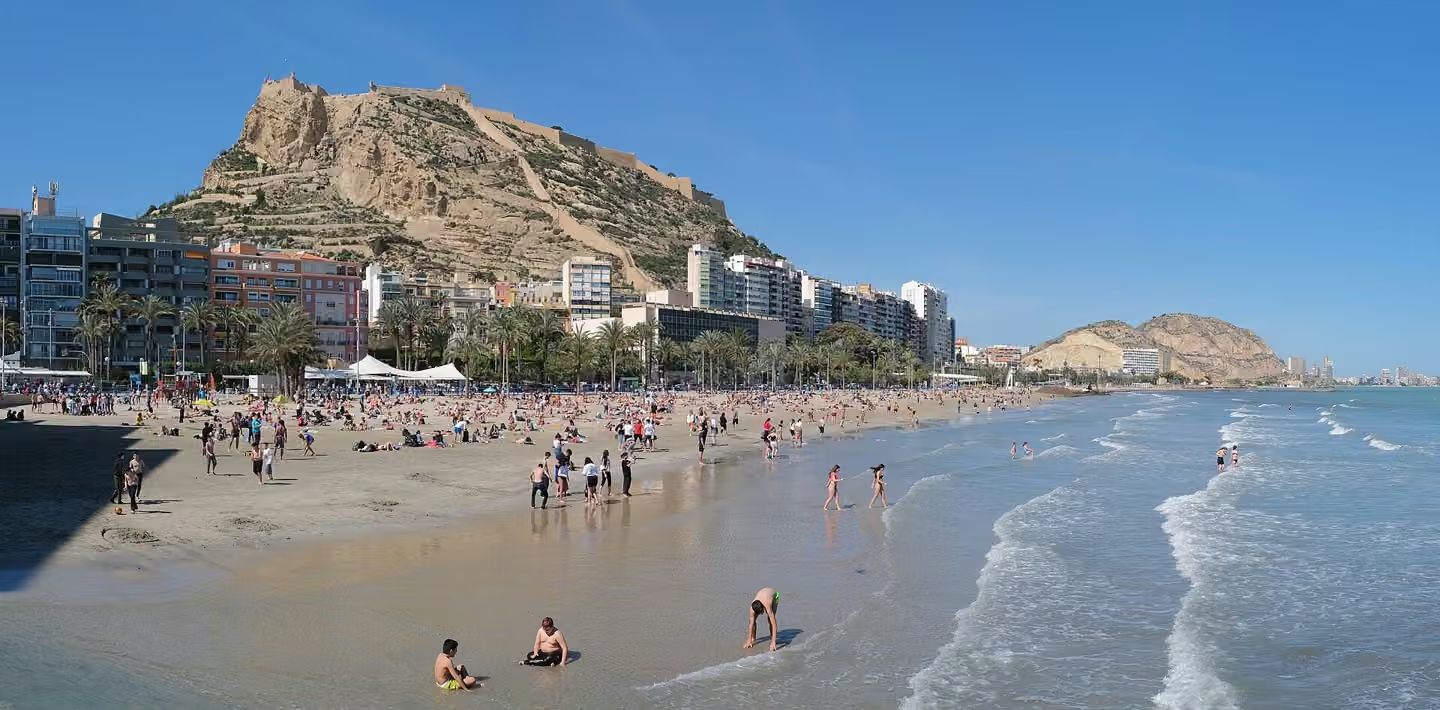
Postiguet helps you read Alicante as a city connected to its beach: Benacantil and Santa Bárbara rise behind it, with the old centre and Explanada nearby. Walk along Gómiz promenade and notice how the castle's outline changes beside the water. Look down as well: the arrangement of the paving creates an impression of depth, adding another visual detail beyond the horizon. You can include this stop without planning to swim; a short waterfront walk fits into a visit to the centre. Before entering the sea, check the flag and that day's conditions. Do not assume summer facilities or assisted bathing services operate outside their season.
Explanation source ↗

Alicante with children

Open guide
MARQ Archaeological Museum
Rodriguillo · Public domain

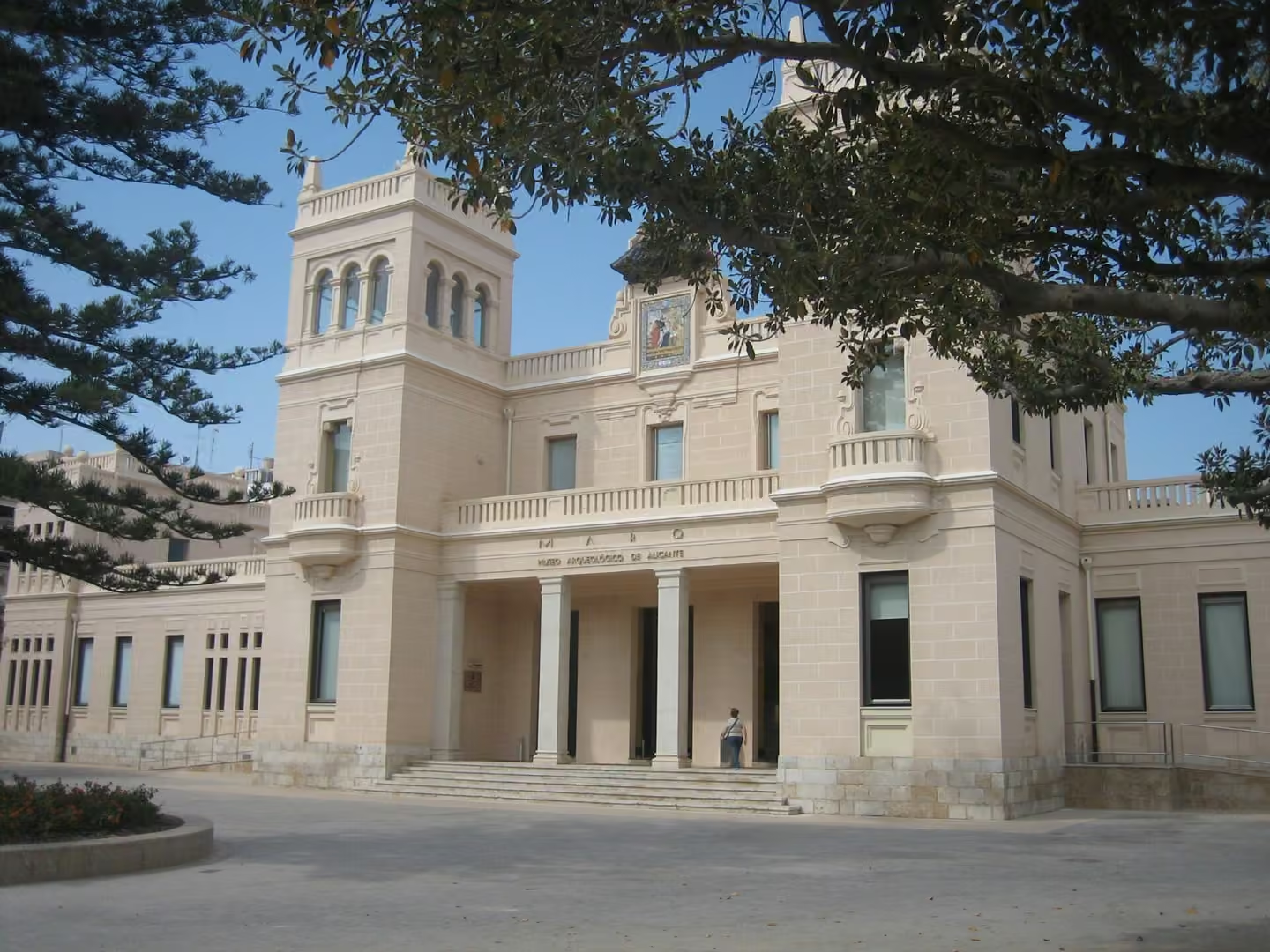
MARQ introduces the Alicante region through what people left behind. Its permanent galleries cover Prehistory, Iberian culture, the Roman world, the Middle Ages and modern and contemporary periods. This is more than a succession of ancient objects: archaeology connects things, places and questions about everyday life. The building adds another layer because it occupies the former Provincial Hospital of San Juan de Dios, designed by Juan Vidal Ramos. Once inside, choose an object that catches your attention and imagine how it was made, used and eventually preserved. Then compare materials and techniques across periods. That approach turns dates into human stories. Check current exhibitions and admission arrangements; visiting the museum does not automatically include archaeological sites associated with the institution, which require their own journey and access arrangements.

Explanation source ↗

Alicante on a rainy day

Open guide
Central Market
Varondán · CC BY-SA 4.0

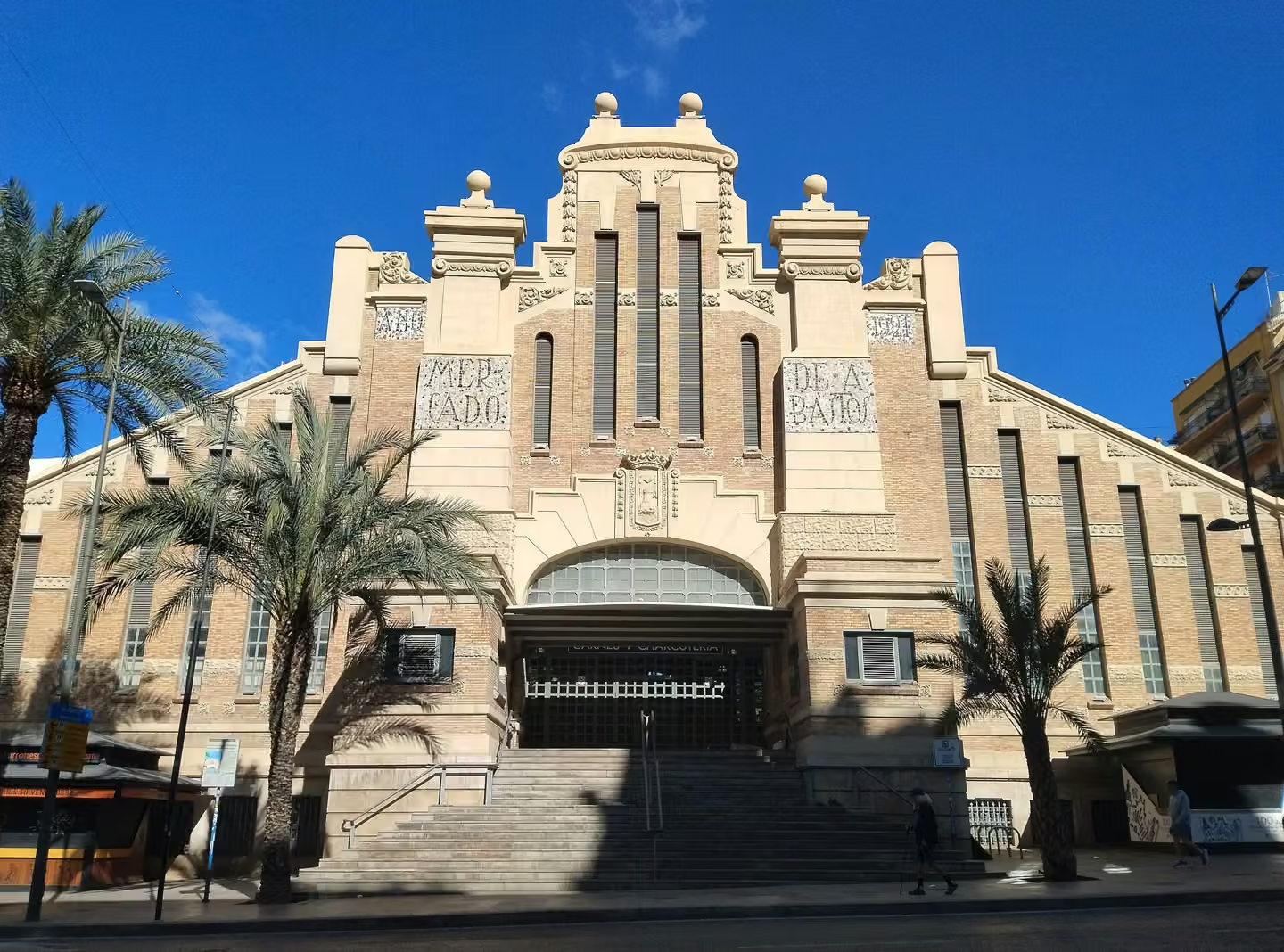
The Central Market brings together architecture, food supplies and collective memory. The Municipal Archive dates the opening of the present building to 21 November 1922, during the modernisation of Alicante’s markets. Its history cannot be separated from the bombing of 25 May 1938, when the attack on this area killed hundreds of civilians; the square behind retains that date in its name. Look at the façade and entrances before going inside, then observe how stalls and circulation are arranged. Produce introduces local habits, but people are still working and shopping here: ask before taking close photographs and keep passageways clear. The visit matters both for the building and its everyday function. Check trading hours, which are not equivalent to those of a continuously open visitor attraction, and adapt your walk accordingly.

Explanation source ↗

Where to eat in Alicante

Open guide
Santa Bárbara Castle
Artistosteles · CC BY-SA 4.0

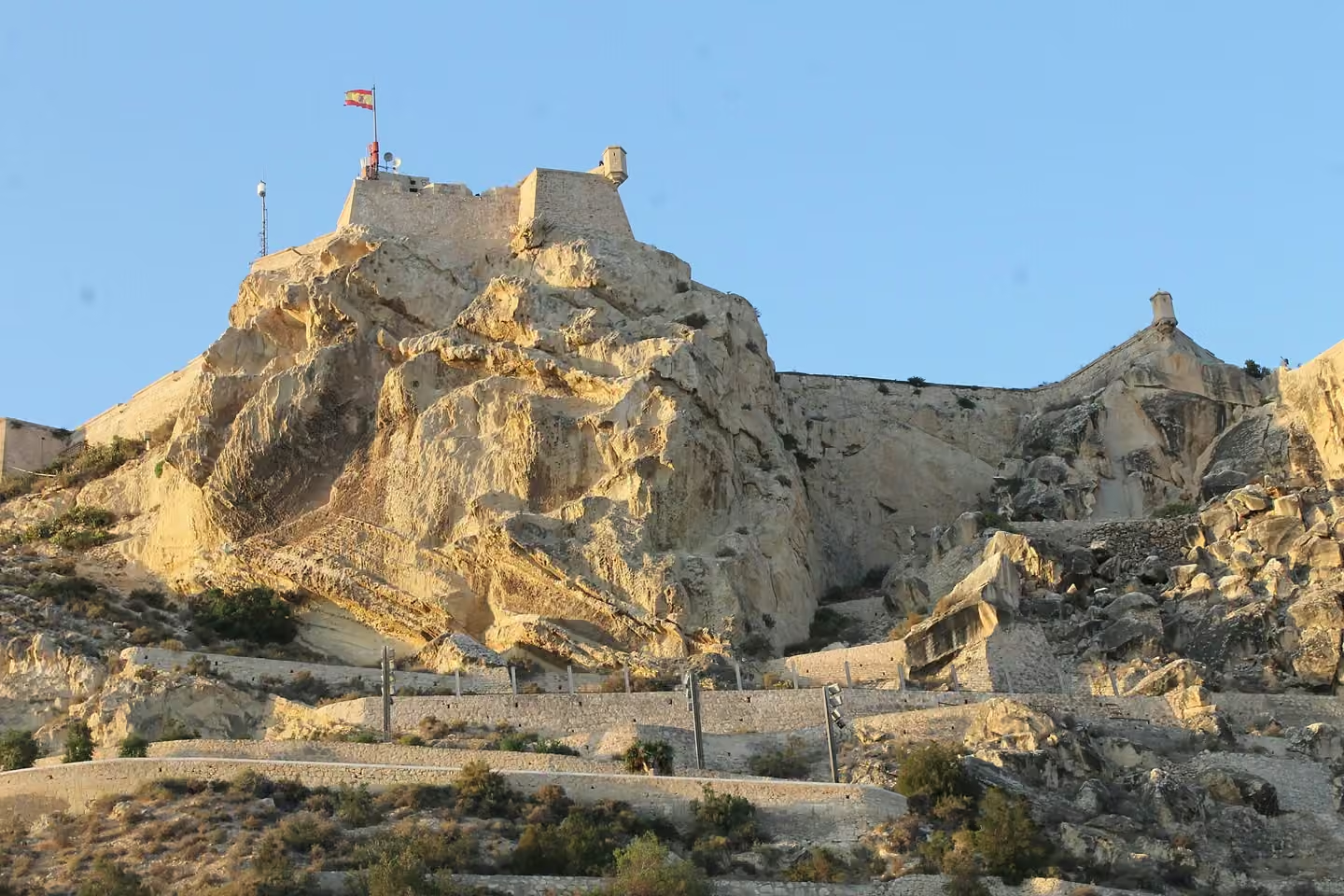
Santa Bárbara commands Alicante from Benacantil hill, and that position explains much of its history. The fortress of Muslim origin passed to Infante Alfonso of Castile on 4 December 1248, the feast day that gave the castle its name. The enclosure you see today does not belong to a single moment: successive alterations adapted its defences to different weapons and needs. Before seeking a photograph of the bay, notice how walls and platforms make use of the rock. Then identify the harbour, Postiguet beach and old town to reconstruct the relationship between defence, commerce and city. The views help organise the walk you will take below. Plan access separately: check lift operation and authorised routes, carry water and avoid a demanding climb during intense heat.

Explanation source ↗

Santa Bárbara Castle: access and visits

Open guide