English

SANTIAGO DE COMPOSTELA · AYUDA TURÍSTICA

Travel guides to Santiago de Compostela

Seven guides for Santiago de Compostela: family plans, rain, visits, food, four days and nearby trips.

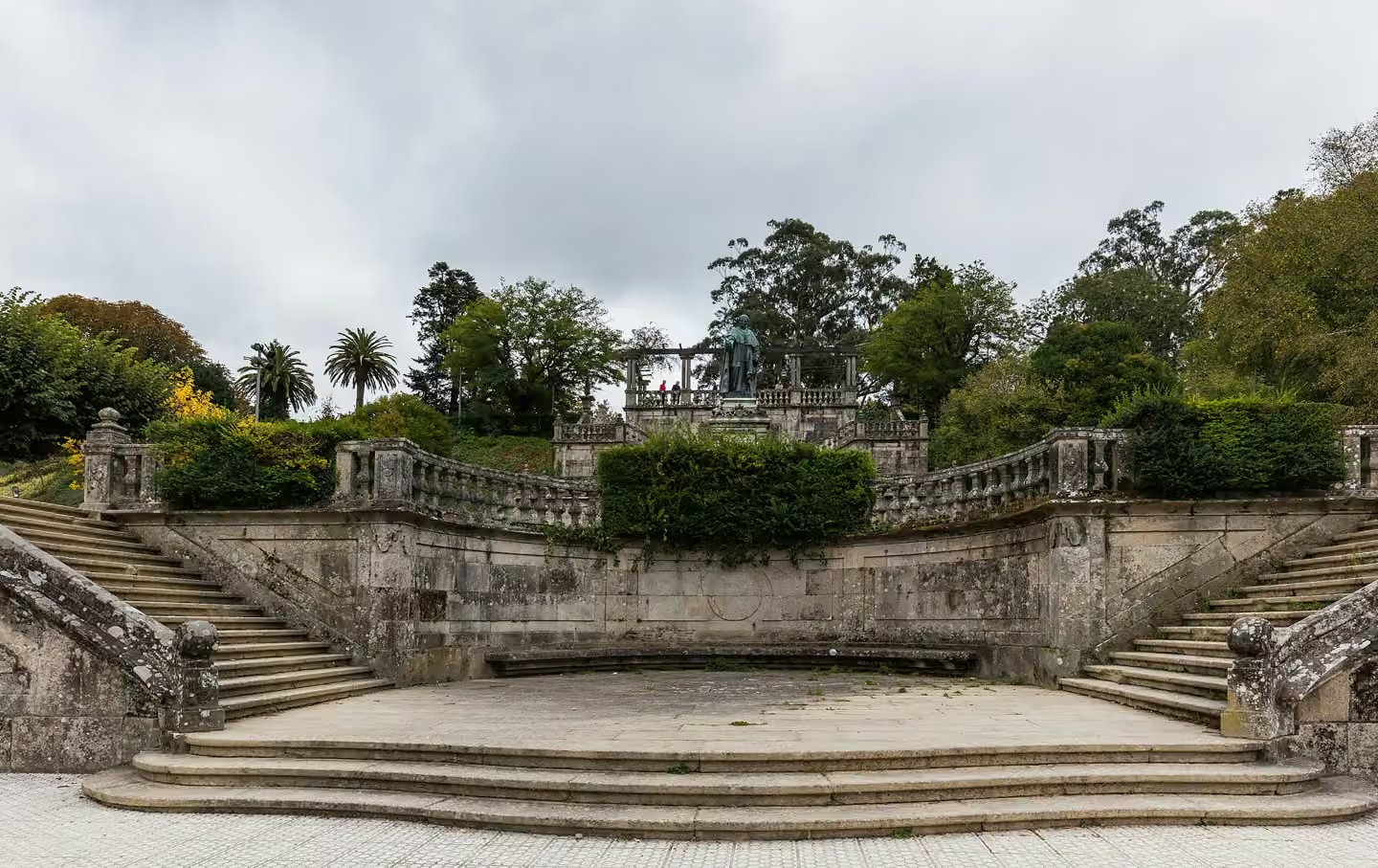
Alameda Park
Diego Delso · CC BY-SA 4.0

The Alameda developed beside the western edge of the historic city. The horseshoe-shaped walk around Santa Susana's oak grove took shape during the nineteenth century. Walking here combines shade, views and urban memory. Find a perspective over the rooftops and cathedral: the city becomes easier to understand when you step away from its individual streets and monuments.

Explanation source ↗

Santiago de Compostela with children

Open guide
Museum of the Galician People
The original uploader was Lansbricae at Galician Wikipedia. · CC BY-SA 3.0

The Museo do Pobo Galego occupies the former Bonaval convent and explores Galician culture and everyday life. This change of use connects architectural heritage with the memory of people. Think about the occupations, ways of living and traditions that shape a region. The building itself is also part of what you are discovering, rather than merely a container.

Explanation source ↗

Santiago de Compostela on a rainy day

Open guide
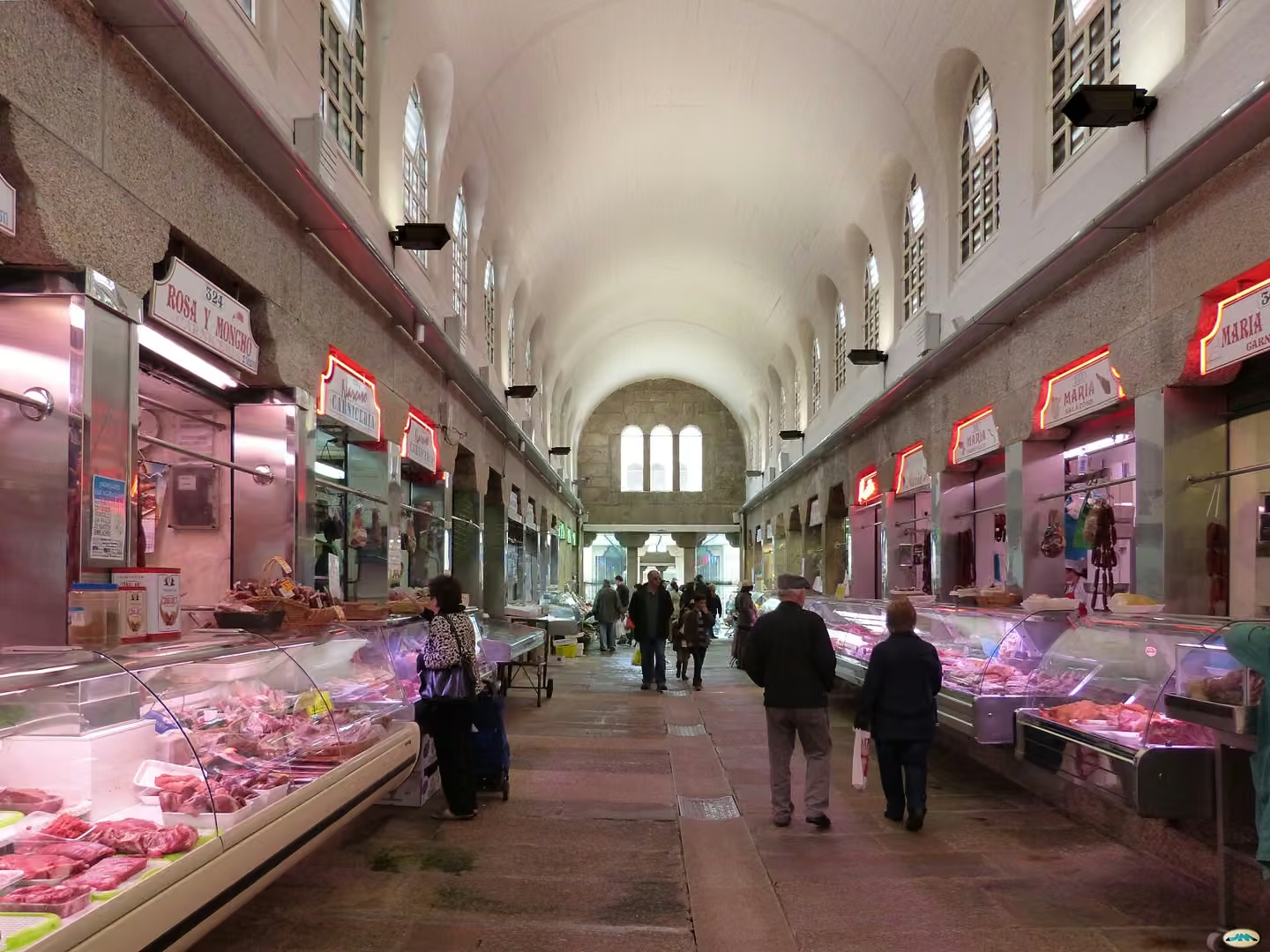
Food Market
juantiagues · CC BY-SA 2.0

The present market was built in 1941 by Joaquín Vaquero Palacios. Its architecture frames everyday activity connecting Santiago with Galician produce and producers. Look at the repeated market halls before entering. Among the stalls, remember that the visit works best when it respects daily shopping: this is a place of work as well as somewhere for visitors to explore.

Explanation source ↗

Where to eat in Santiago de Compostela

Open guide
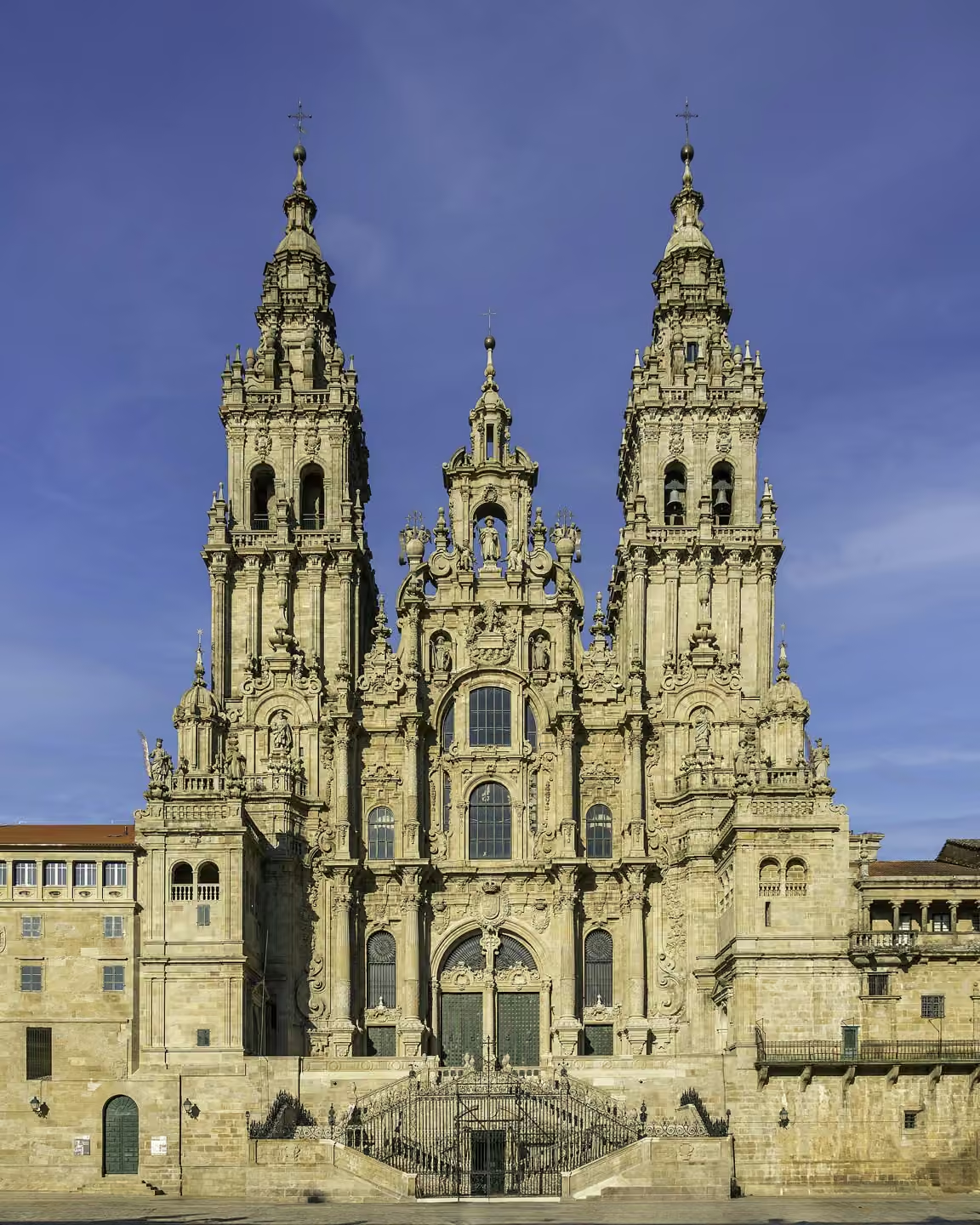
Santiago Cathedral
Fernando · CC BY-SA 4.0

Construction of the great Romanesque cathedral began around 1075, when pilgrimage had become enormously important. The building you see brings together later transformations around that medieval core. Do not reduce it to a single period: compare façades, volumes and routes. Its history is a continuity of worship, arriving travellers and architectural adaptation around Saint James's tomb, shaping both the monument and the city.

Explanation source ↗

Santiago Cathedral: independent visit, museum and guide

Open guide