English

BILBAO · AYUDA TURÍSTICA

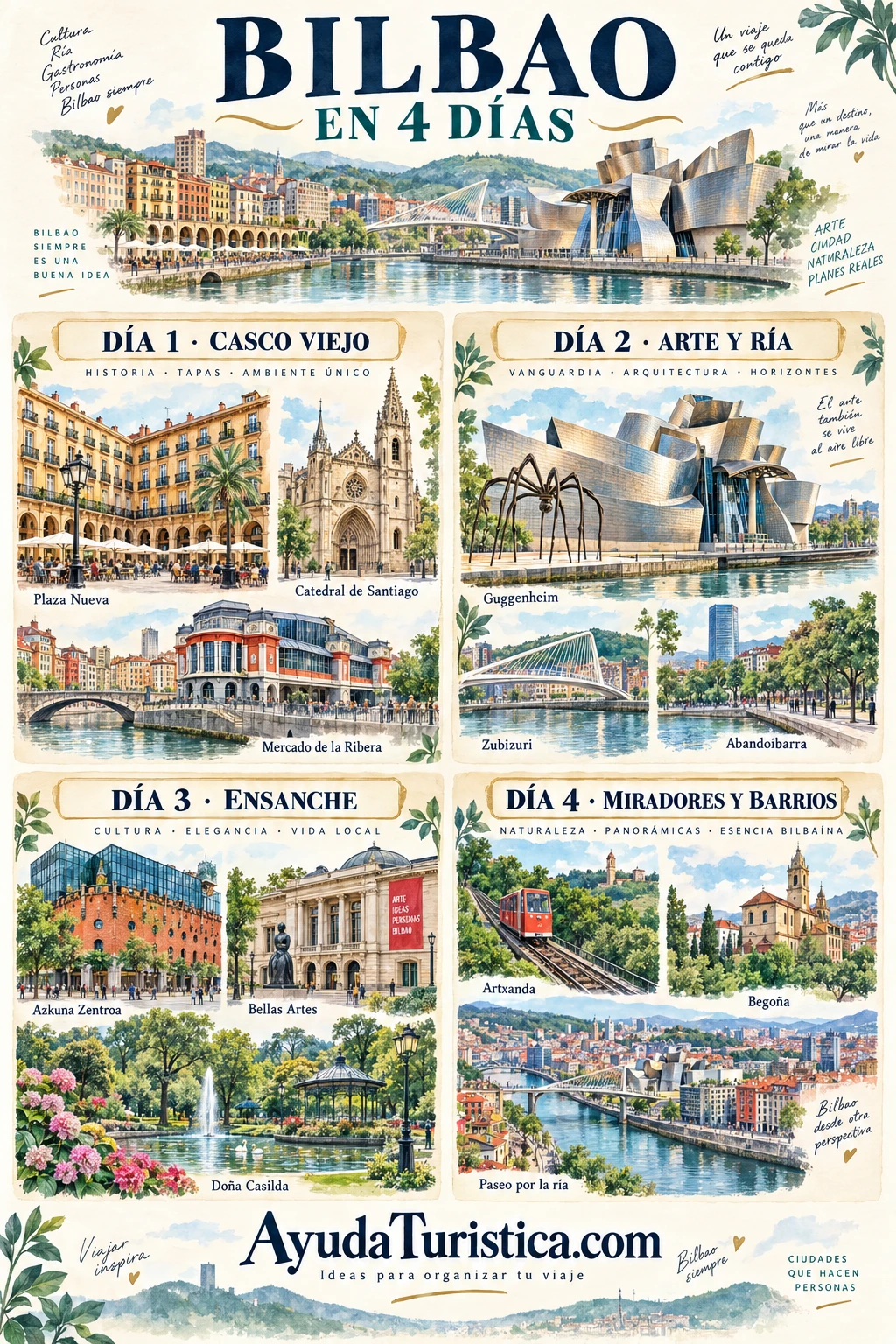
Bilbao in four days

Four area-based itineraries in Bilbao with photos, directions and optional indoor visits.

Illustrated four-day ideas for Bilbao
Inspirational illustration in Spanish, not a navigation map. Use the detailed English routes below for directions. Tap to enlarge.

Pick one area per day and shorten the plan whenever you wish. Indoor visits are optional; this is not a promise that every venue fits into one day.

Day 1: Old Town

Start this route
Casco Viejo
dalbera from Paris, France · CC BY 2.0

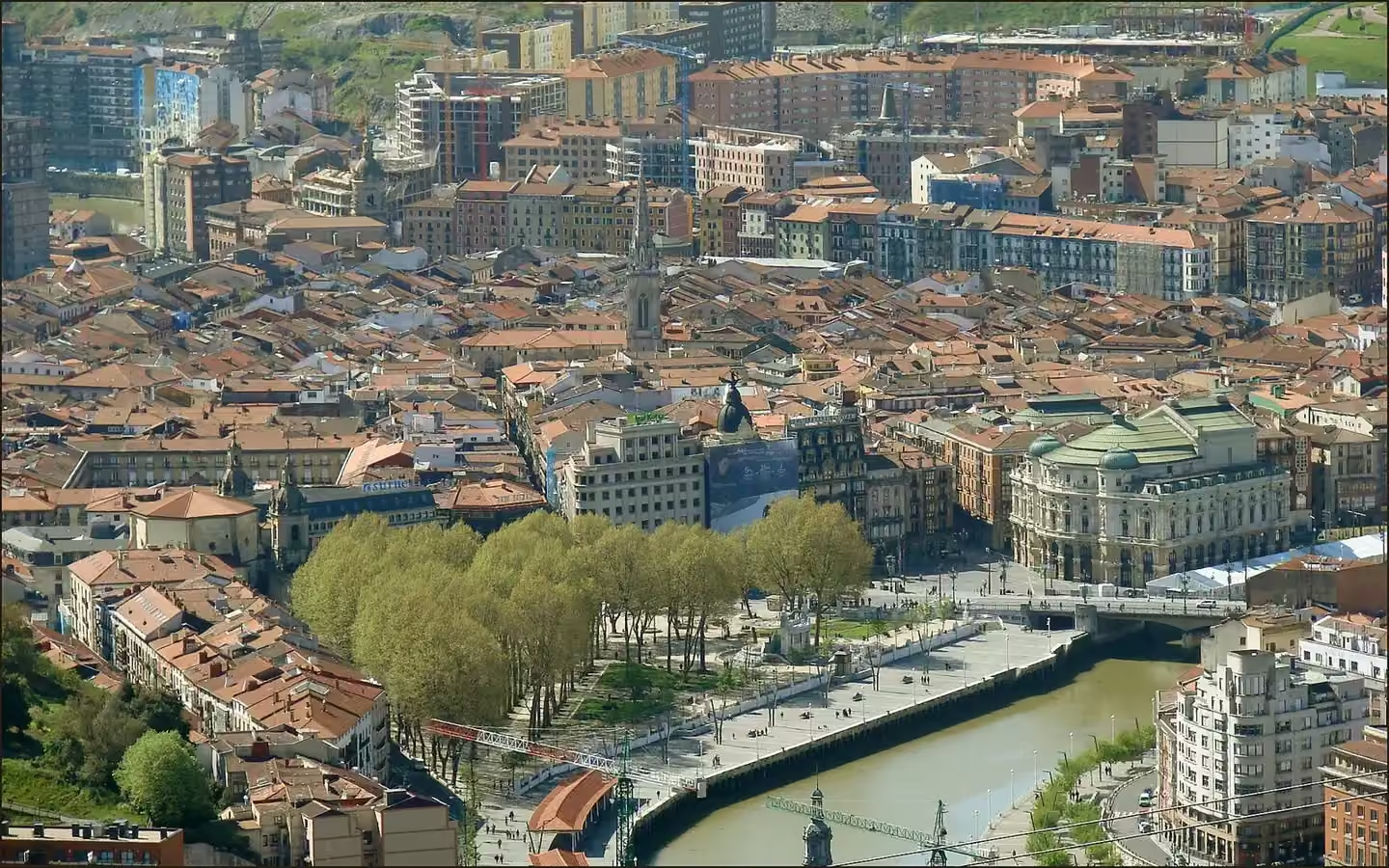
The Old Town preserves the memory of mercantile and maritime Bilbao. Streets, squares and churches evoke a city whose growth depended on trade beside the estuary. Look beyond individual monuments: notice the scale of façades, local businesses and intersections. Everyday activity continues to give this historic area its character, connecting its trading past with the present. Do not reduce the Old Town to a bar route. Choose a street and notice shopfronts, residential entrances and small changes in width; then walk towards the estuary to compare the neighbourhood’s scale with the waterfront. Rehabilitation after the 1983 floods is part of its recent history. This remains a residential and commercial area: avoid blocking doorways or photographing private interiors.

Explanation source ↗

Casco Viejo

Allow time for the Seven Streets and their squares without rushing.

Walking directions
Arriaga Theatre
Pedro J Pacheco · CC BY-SA 3.0 es

The Arriaga connects Bilbao’s cultural life with the edge of the Old Town and the estuary. Joaquín Rucoba designed the building constructed between 1886 and 1890, with a façade inspired by the Paris Opera. Before approaching, notice how two towers frame the front and distinguish the entrances, auditorium level and upper clock section. The exterior carries a history of disruption: the 1914 fire destroyed the interior and required reconstruction. The name honours Bilbao-born composer Juan Crisóstomo Arriaga. You can make an exterior stop without attending a performance. Check the programme and interior tours separately, since they offer different experiences.

Explanation source ↗

Arriaga Theatre

The façade and Arenal link the Old Town with the riverside promenade.

Walking directions
Plaza Nueva, Bilbao
No machine-readable author provided. Martin253~commonswiki assumed (based on copyright claims). · Public domain

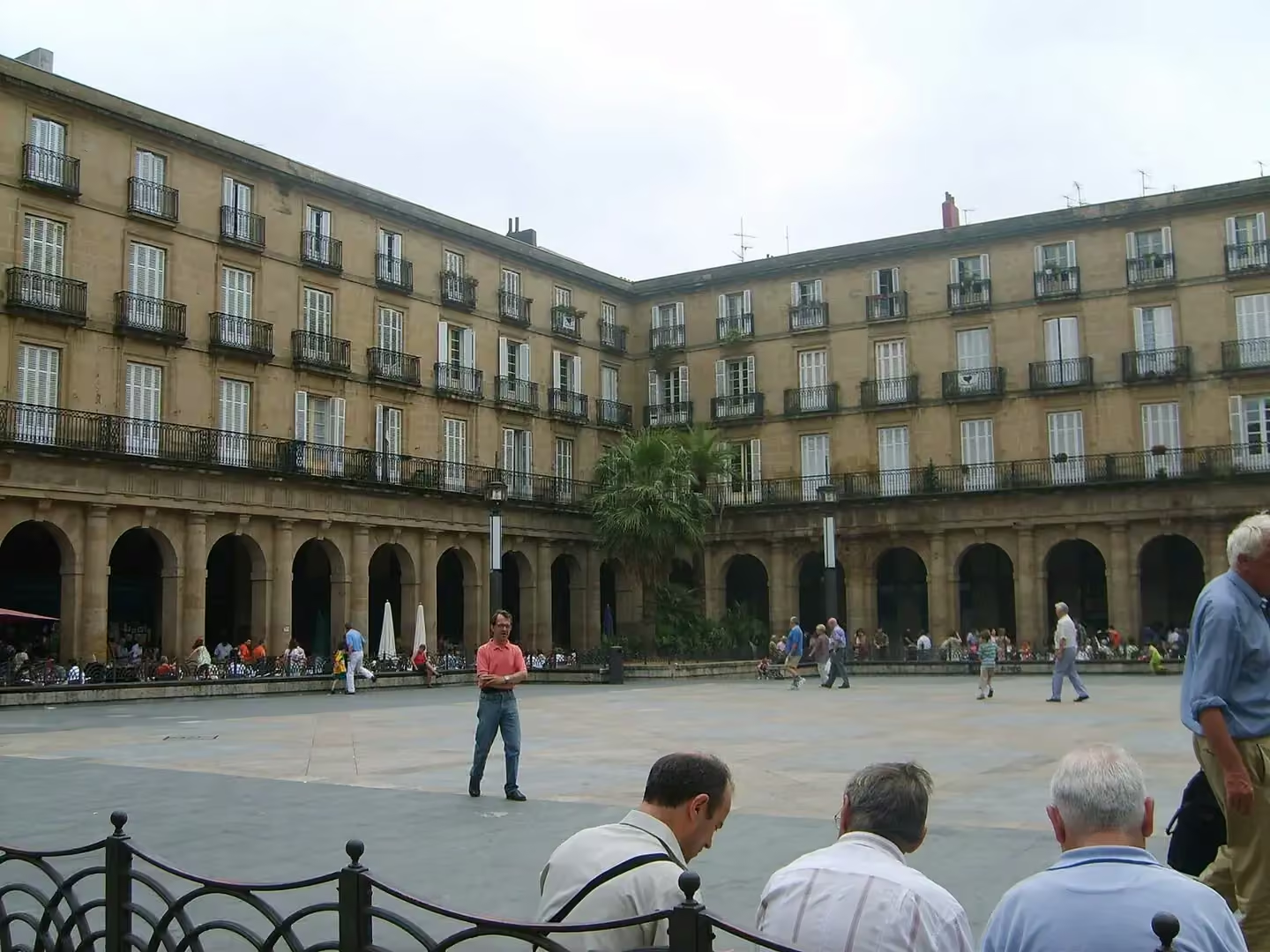
Opened in 1851, Plaza Nueva introduced a regular Neoclassical space within the Old Town. Its covered arcades connect façades, businesses and everyday life. Walk beneath them, then view the square from a corner. Repeated arches produce a sense of order that contrasts with the nearby streets, revealing another chapter in the city's development. Round arches and pillars organise the sides of the rectangle. Enter from a nearby street and notice the change of scale: a narrow route becomes a space you can understand at a glance. The arcades can help on a rainy day, but crossings and the rest of the walk remain outdoors. Eating or drinking here is optional.

Explanation source ↗

Plaza Nueva, Bilbao

Take a break beneath the arcades in the heart of the Old Town.

Walking directions
Bilbao Cathedral
José Luis Filpo Cabana · CC BY 3.0

The dedication to Saint James recalls pilgrims travelling through Bilbao. A church welcoming them existed here before the town was founded. The Gothic building preserves this connection between city, travel and hospitality. Look at its vertical lines and the way it rises among narrow streets, rather than standing alone in a vast open square. The pilgrim’s shell at the Puerta del Ángel, associated with the cloister, provides another clue. Distinguish the Gothic body from the later façade and tower: a church can combine solutions from different centuries while retaining its religious function. You can read these layers from outside. For interiors, check visiting arrangements and respect services; tourist admission and access for worship are different.

Explanation source ↗

Bilbao Cathedral

A landmark to orient yourself before exploring more Old Town streets.

Walking directions
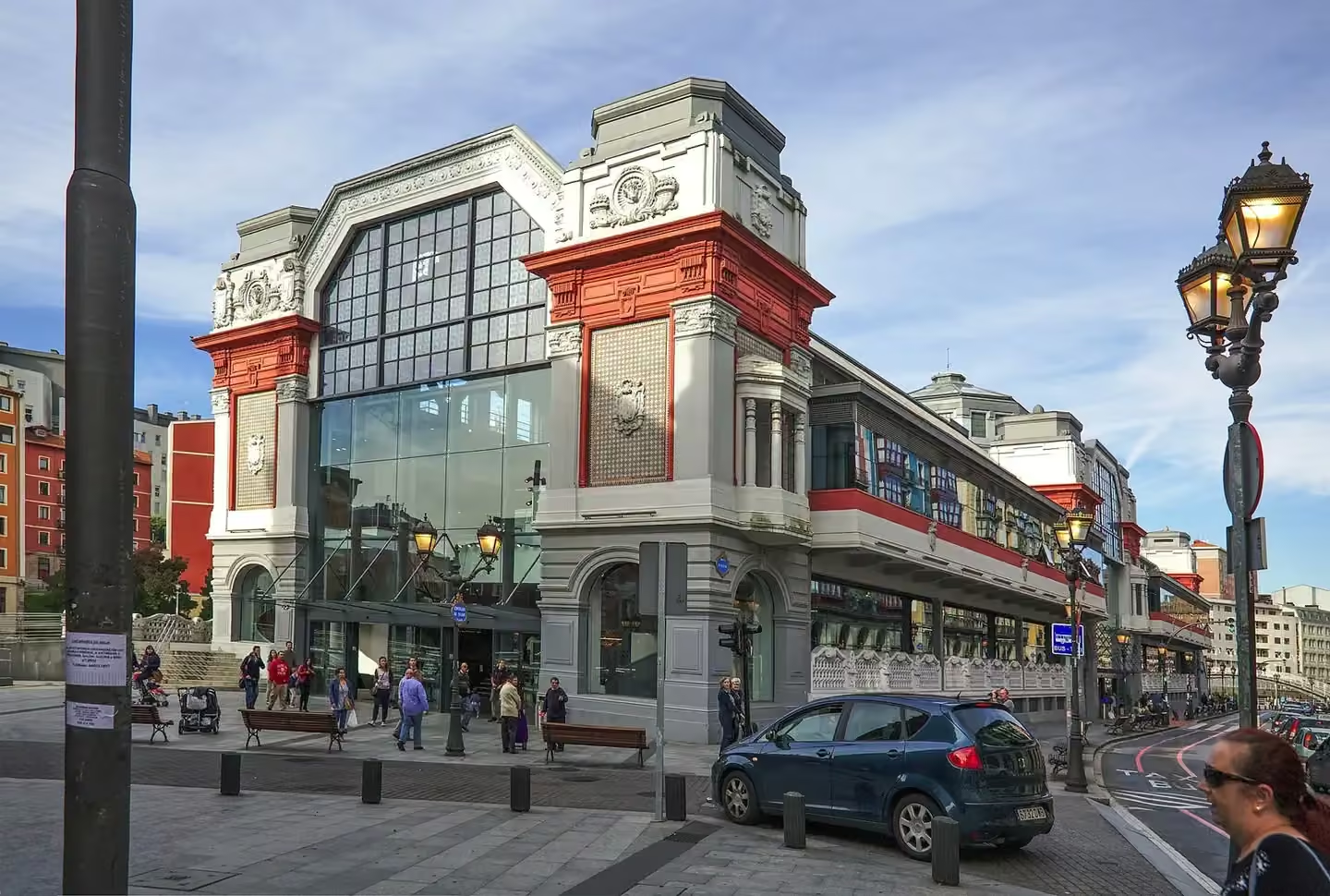
Mercado de la Ribera
PA · CC BY-SA 4.0

Pedro Ispizua built the Ribera Market in 1929, beside a place closely connected with Bilbao's trading history. The estuary, San Antón Church and market bring together supply, transport and urban life in one scene. Observe the façade from the promenade and, if you enter, leave room for people doing their everyday shopping around the stalls. Distinguish food stalls from dining areas: they share a building but may follow different opening hours and arrangements. Walk through open stalls without obstructing work and notice how products are grouped. Then return outside to relate the market’s scale to San Antón and the water. Eating here is optional and does not replace understanding the market as everyday city infrastructure.

Explanation source ↗

Mercado de la Ribera

Visit beside the estuary; the atmosphere changes with the time and market activity.

Walking directions
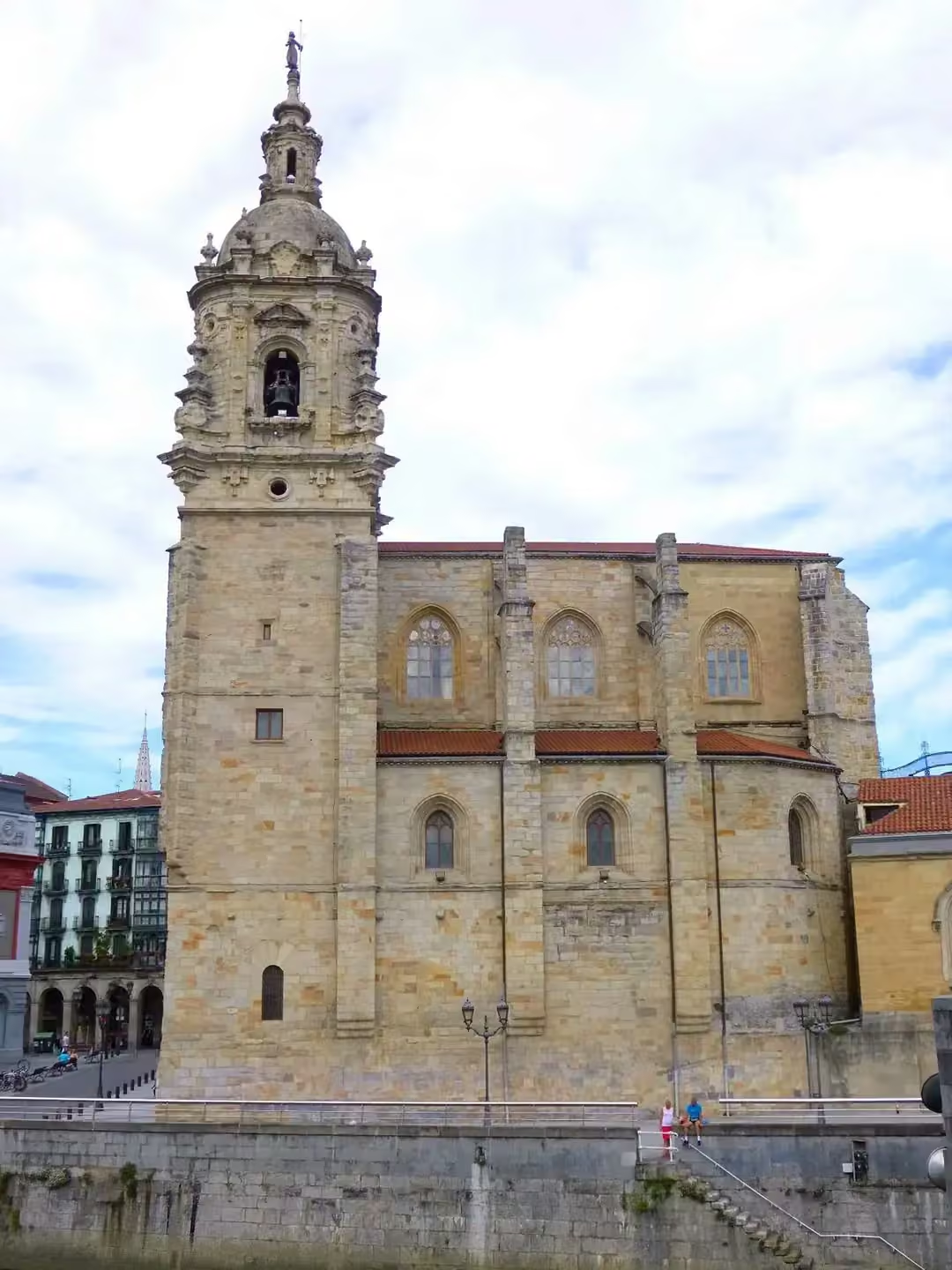
San Antón Church
Zarateman · CC BY-SA 4.0

San Antón Church and its bridge appear on Bilbao's coat of arms, showing their importance to the town's identity. Beside the market and estuary, the church evokes connections between religion and trade. Its surroundings preserve the memory of former walls. Take in the whole scene from a little distance before approaching the building to examine it more closely. The Gothic body, Renaissance entrance and Baroque tower reveal successive changes. Rather than seeking one stylistic label, identify these differences from public space. The bridge provides another view of church and market, but avoid stopping where you obstruct pedestrians. Check admission and services if planning an interior visit; viewing the façade and entering the church require different arrangements.

Explanation source ↗

San Antón Church

A stop beside the market and bridge to round off your Old Town walk.

Walking directions

Day 2: The river and Guggenheim

Start this route
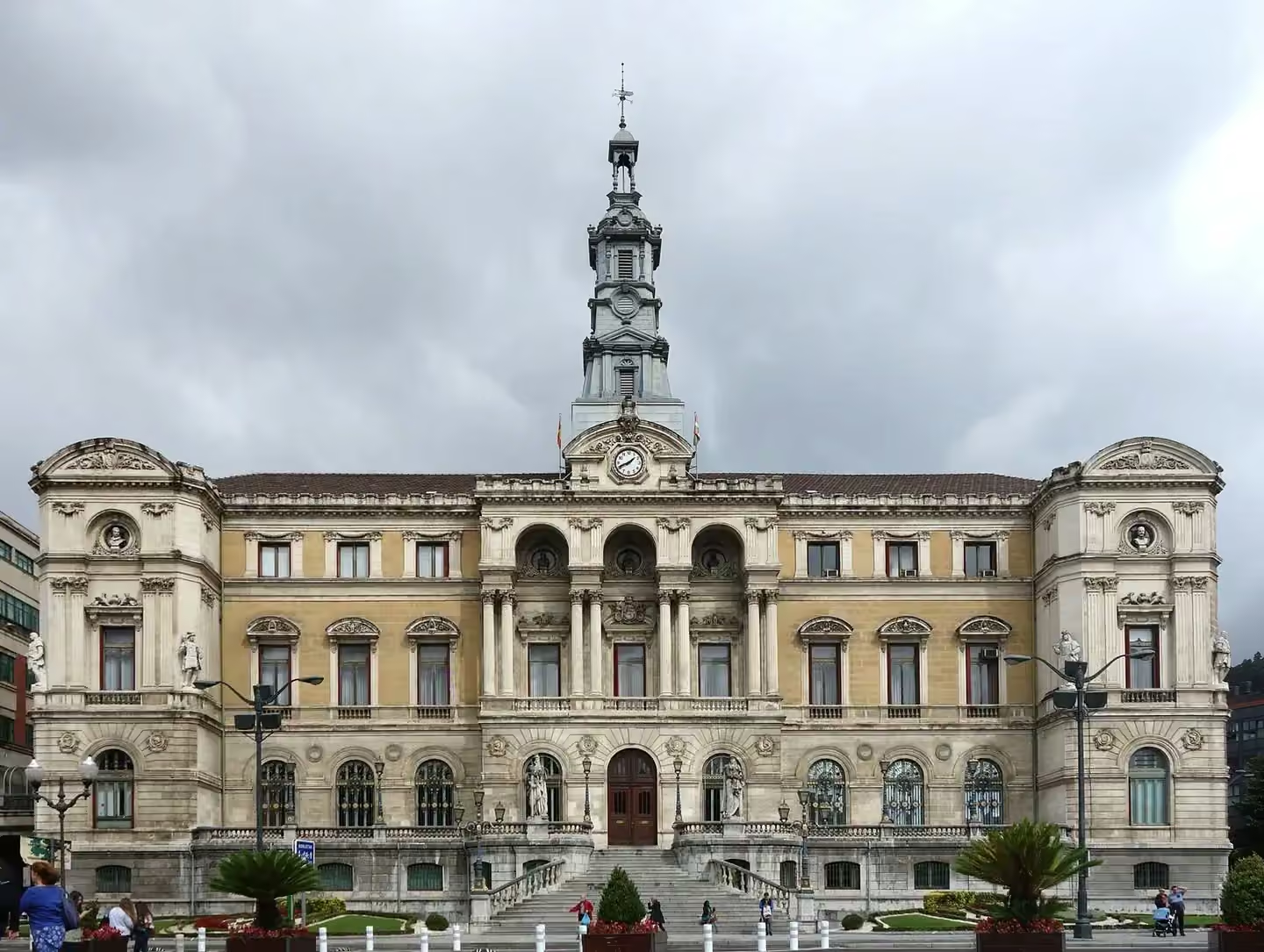
Bilbao City Hall
Spike · CC BY-SA 4.0

Joaquín Rucoba, also responsible for the Arriaga Theatre, designed the City Hall inaugurated in 1892. It occupies the site of a convent destroyed during the First Carlist War. Its French-inspired façade expresses nineteenth-century civic prestige. Notice the central axis, sculptural decoration and relationship with the estuary, which gives the building an especially prominent position. Its waterside position makes a comparison with Rucoba’s Arriaga Theatre useful during the same walk. One represents municipal government; the other welcomes an audience to a performance. Look at how their façades express different functions. The town hall remains a workplace: stopping outside does not imply permission to explore ceremonial rooms or offices without an authorised visit.

Explanation source ↗

Bilbao City Hall

View the façade from the promenade and continue alongside the water.

Walking directions
Zubizuri
Basotxerri · CC BY-SA 4.0

The estuary divides Bilbao, explaining why bridges have always mattered here. Zubizuri offers a pedestrian viewpoint on this relationship, with its distinctive white profile. Look at the arch, cables and opposite banks. The contrast between today's promenades and the city's port heritage helps explain Bilbao's urban transformation as you cross the water. Santiago Calatrava’s footbridge links Uribitarte with Campo Volantín. Cross to compare the two banks rather than automatically returning on the same side. At the approach, distinguish the supporting arch from the cables transferring the loads. The bridge also serves everyday journeys, so leave room for pedestrians when stopping to look or take photographs.

Explanation source ↗

Zubizuri

Connect both banks during a walk along the estuary.

Walking directions
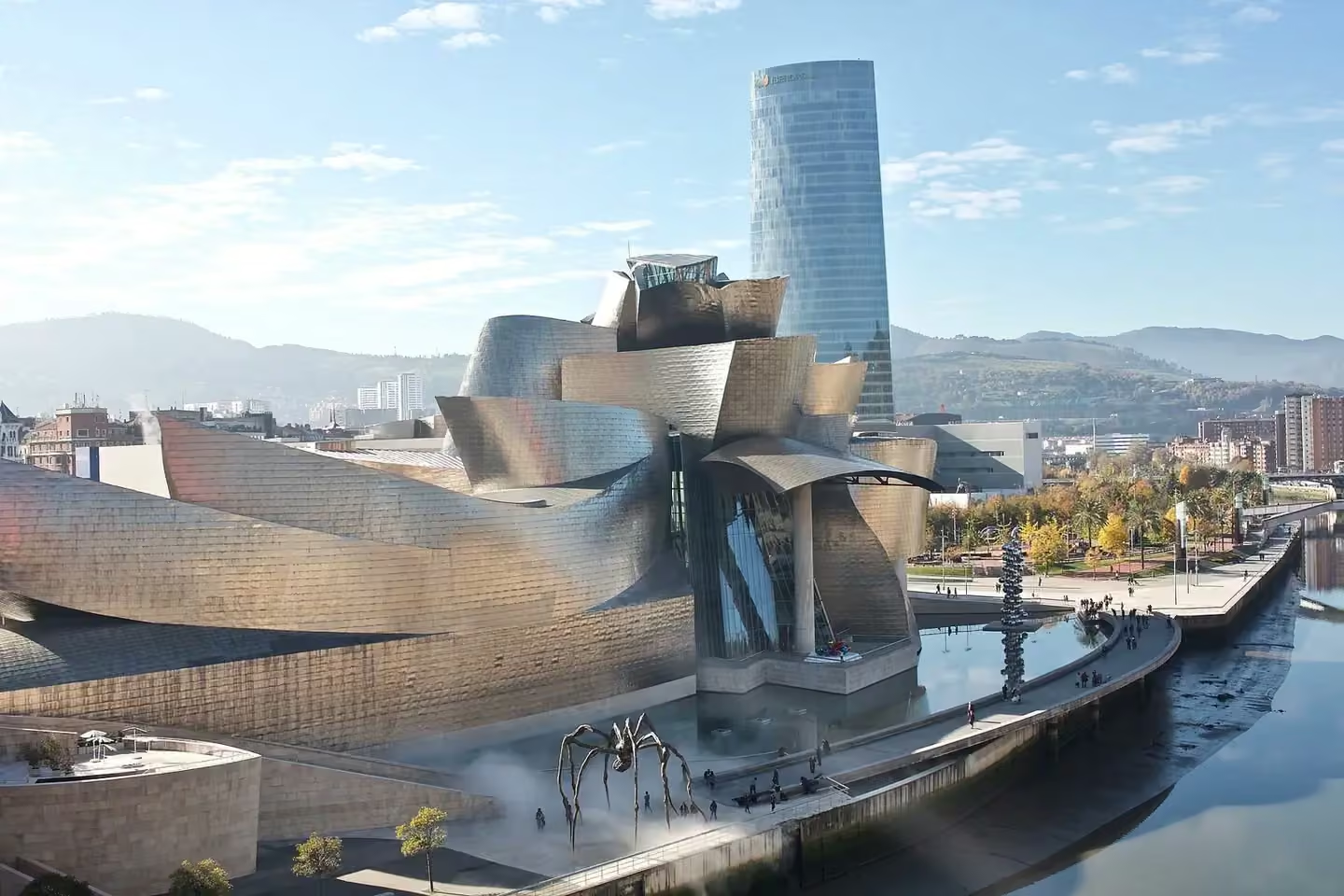
Guggenheim Museum Bilbao
Naotake Murayama · CC BY 2.0

The Guggenheim occupies a bend in the estuary formerly used by the port and industry. Its construction between 1993 and 1997 reveals a change in the waterfront’s use, although it does not explain Bilbao’s entire transformation on its own. Frank Gehry combined titanium, glass and limestone: compare opaque surfaces, reflections and transparency before taking a photograph. The titanium changes tone with the atmosphere, making different viewpoints along the promenade rewarding. The curves required digital design tools such as CATIA. Exploring the exterior is a visit in its own right; allow extra time for the galleries and check current exhibitions and admission arrangements with the museum.

Explanation source ↗

Guggenheim Museum Bilbao

Enjoy the exterior and riverside on foot; allow extra time for the galleries.

Walking directions
Deusto Bridge
Xabier · CC BY-SA 4.0

Deusto Bridge opened in December 1936. Its lifting mechanism answered an essential need: crossing the estuary without preventing ships from passing. Although the relationship with the water has changed, the bridge preserves that engineering memory. Look at its central sections and imagine a city where maritime traffic determined how people travelled between the two banks on land. You do not need to see it open to understand its purpose. Look for the junction of the moving sections from the promenade and relate the structure to the area’s former port activity. Today’s continuous waterfront lets you compare infrastructure balancing ships and land traffic with pedestrian use of the riverbanks. Do not plan around an opening: no schedule of bridge movements has been confirmed for this itinerary.

Explanation source ↗

Deusto Bridge

Extend your estuary walk towards Abandoibarra and Deusto.

Walking directions

Day 3: Museums and Ensanche

Start this route
Azkuna Zentroa
Tomas Fano · CC BY-SA 2.0

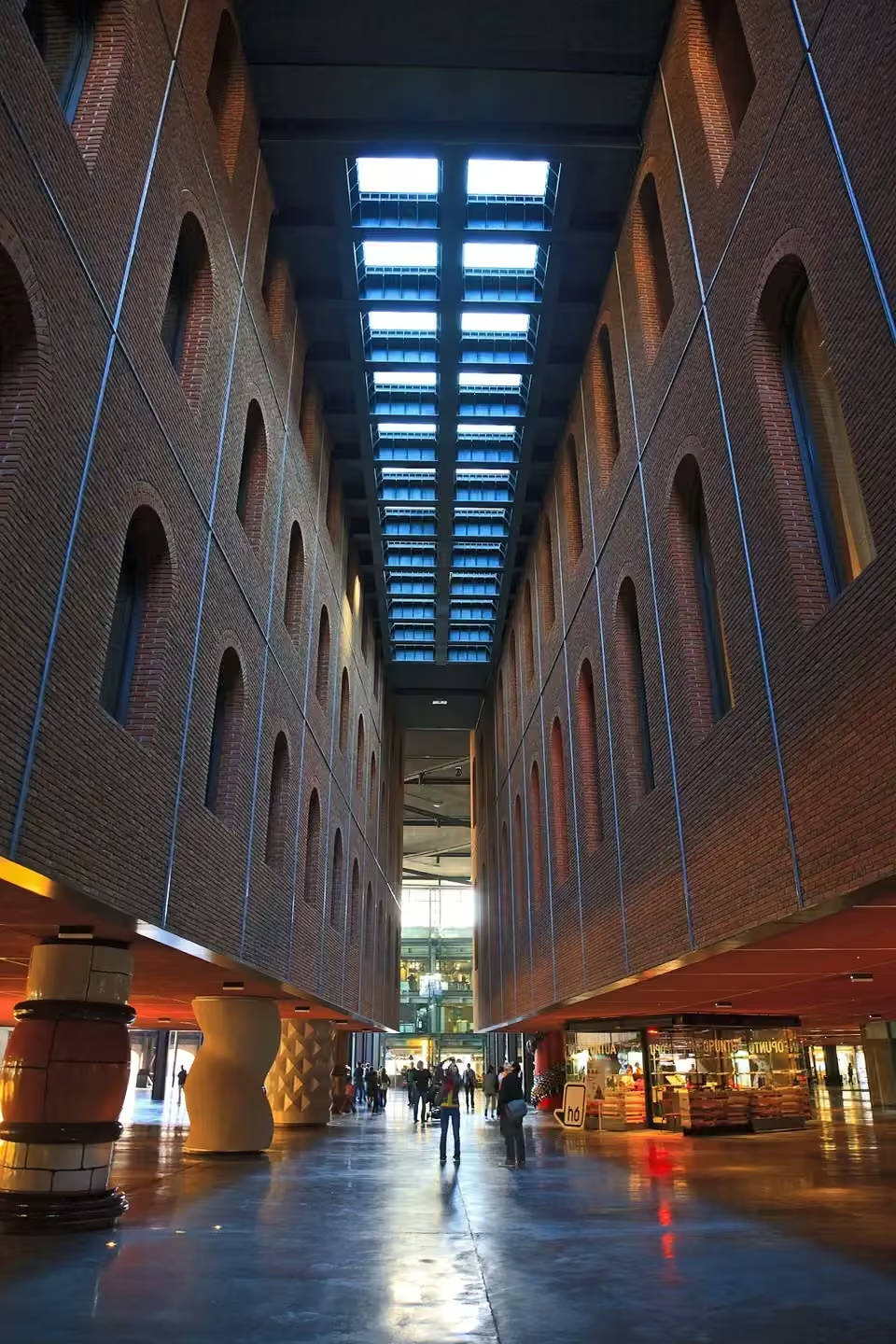
The former Alhóndiga stored wine and oil before becoming a contemporary cultural centre. Its changing role offers a miniature history of Bilbao: a building associated with everyday supplies now encourages creativity and meeting. Compare the exterior with the interior space and notice how the memory of working infrastructure coexists with cultural uses and new ways of gathering. The atrium’s 43 columns offer a way to explore that transformation: compare their forms and materials, then look at how they visually support the volumes above. Different areas have different access conditions. An exhibition, a film and sports facilities are separate activities; check the programme rather than assuming everything is included. The building can also be part of a rainy-day plan without using every service.

Explanation source ↗

Azkuna Zentroa

Add this cultural centre to an Ensanche walk and check its programme.

Walking directions
Museo de Bellas Artes de Bilbao
MuseoBBAABilbao · CC BY-SA 3.0

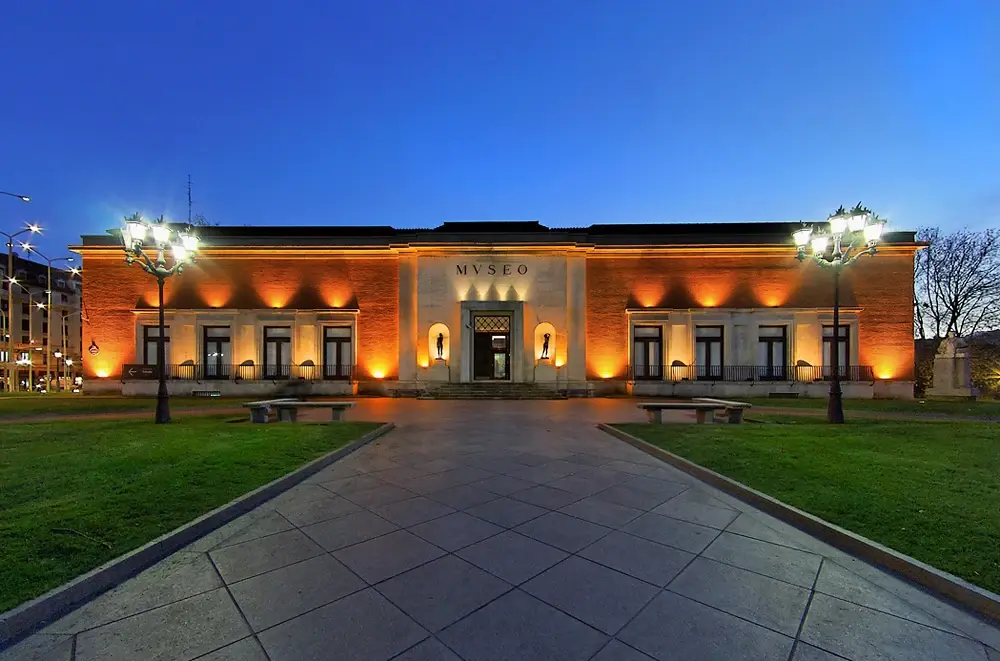
Before entering, look at the different building volumes, which reveal successive expansions. Inside, choose a few works and compare their styles rather than rushing through the entire collection. The collection brings together painting, sculpture and decorative arts from different periods, including Basque art. Give your visit a focus by comparing two treatments of the same subject: composition, light and materials reveal more than artists’ names alone. The selection on display may change. Check available galleries before building a visit around a particular work.

Explanation source ↗

Museo de Bellas Artes de Bilbao

Check available exhibitions and entrances before planning your visit.

Walking directions
Doña Casilda Iturrizar Park
Zarateman · CC BY-SA 4.0

Doña Casilda Park links the Ensanche with Abandoibarra. Its 2006 extension strengthened a green connection towards the estuary, joining spaces previously experienced differently. Your walk slows down here: notice the trees, paths and open views. As well as providing a break, the park helps explain Bilbao's transformation through the everyday experience of moving on foot. Work began in 1907, combining straight promenades with more Romantic routes. Walking reveals that mixture better than a single photograph. Compare a formal axis with a path changing direction, using the pond or pergola as landmarks. The park can provide a break between nearby cultural visits. Observe wildlife without feeding it and keep through paths clear.

Explanation source ↗

Doña Casilda Iturrizar Park

A green break close to the museum and the Ensanche district.

Walking directions
San Mamés Stadium (2013)
Marco Almbauer · CC0

The new San Mamés opened in 2013, continuing a history sustained by its predecessor for a century. Its first match was against Celta de Vigo. Beyond sporting results, the stadium represents the connection between Athletic Club and Bilbao. Walk around the exterior to appreciate its scale and the way it forms part of the cityscape. Distinguish the current stadium from the former ground with the same name. Look at the outer envelope and how entrances distribute large crowds before focusing on the pitch. The museum, a guided tour and attending a match are different plans with separate conditions. Check which areas each ticket includes and how sporting fixtures affect tours; seeing the exterior does not guarantee admission to the stands.

Explanation source ↗

San Mamés Stadium (2013)

Walk to the stadium; check availability for tours and the museum.

Walking directions

Day 4: Viewpoints: two separate outings

Start this route

Artxanda and Begoña are separate outings, not a continuous walking route. Choose one for a shorter day and plan transport if you do both.

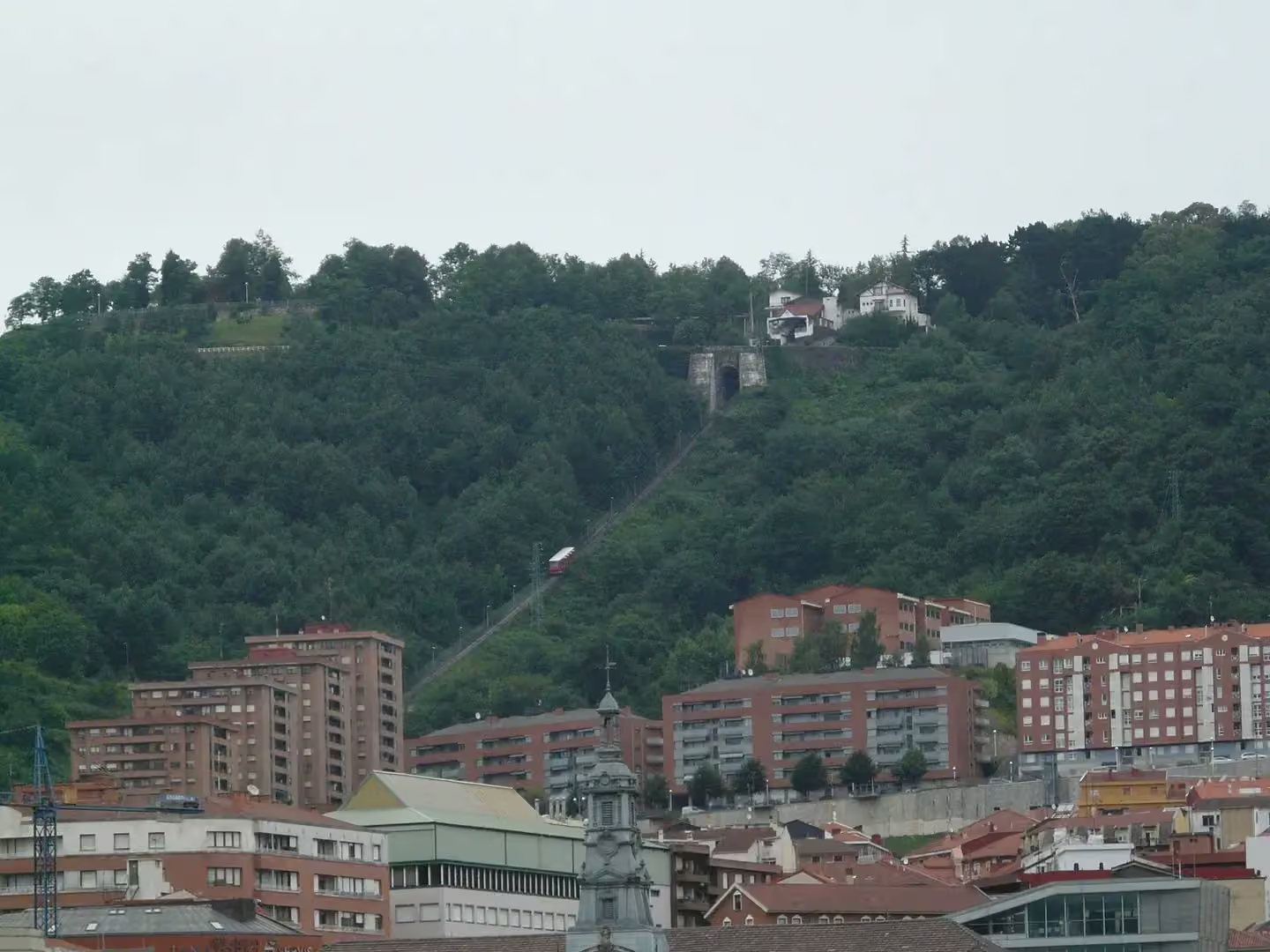
Mount Artxanda
pere prlpz · CC BY-SA 3.0

The funicular has linked Bilbao with Artxanda since 1915. From above, individual streets become a city surrounded by hills. Follow the estuary with your eyes and identify the neighbourhoods you have walked through. This perspective helps explain Bilbao's affectionate nickname, the Botxo, associated with its enclosed setting. Pause before beginning the journey back down. Treat the funicular ride and the walk at the top as separate parts of the plan: not every viewpoint is beside the station, and your return need not follow the same route. Check the service before leaving and decide how you will descend. Poor visibility can hide the panorama, so consider the weather before making this stop the main photographic moment of your trip.

Explanation source ↗

Mount Artxanda

Head to the viewpoint area and check funicular operation before setting out.

Walking directions
Begoña Basilica
Zarateman · CC0

Begoña Basilica is dedicated to Bizkaia's patron, affectionately called Amatxu. Its sixteenth-century building combines a Gothic foundation with other styles. Devotion was also associated with sailors, who greeted the sanctuary from the estuary. This is more than an architectural stop: it introduces a place of spiritual attachment and collective memory, still meaningful within the city's identity. Distinguish the Gothic tradition of the main body from the Renaissance entrance and later tower: the parts belong to different chapters. Its elevated position also shapes the visit. Choose an approach before climbing, without assuming every route from the Old Town avoids slopes or stairs. Worship takes priority over sightseeing; choose an appropriate moment to enter and remain discreet in the sanctuary.

Explanation source ↗

Begoña Basilica

Plan the uphill journey and return, particularly if you want to avoid stairs.

Walking directions