A walk through the city above the Duero: squares, Romanesque doorways, walls and viewpoints. Explore the old town slowly and allow a separate block for cathedral or museum interiors; the bridge gives a riverside perspective on the skyline.
Zamora
Choose what fits your visit
Three decisions to organise the day without turning it into a checklist of tickets. Routes and time allowances are editorial suggestions; adjust the order to your bookings and pace.
01
One doorway or a complete skyline
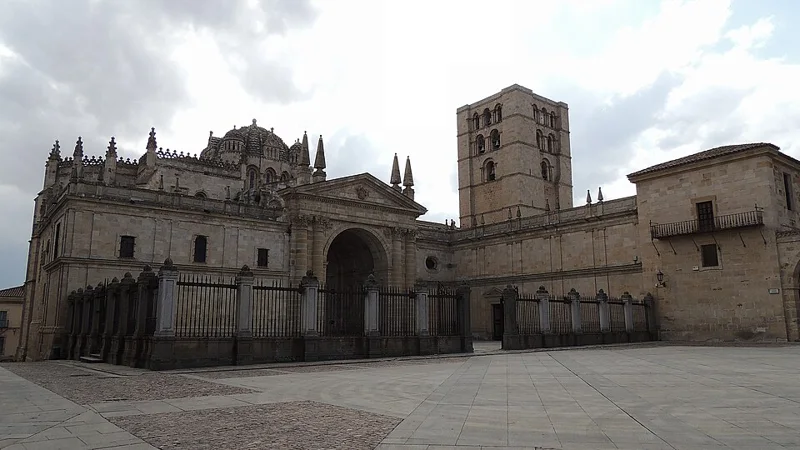
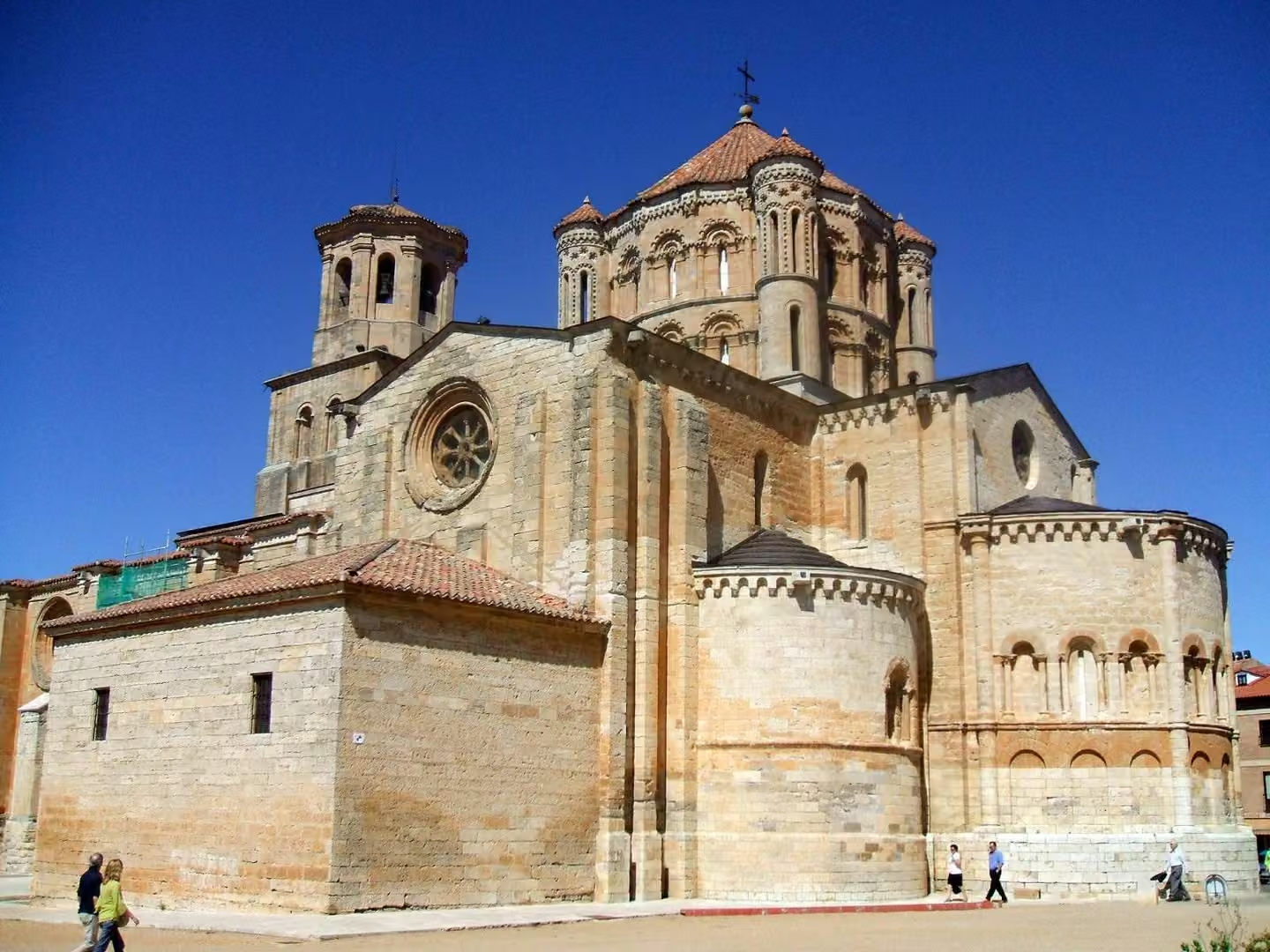
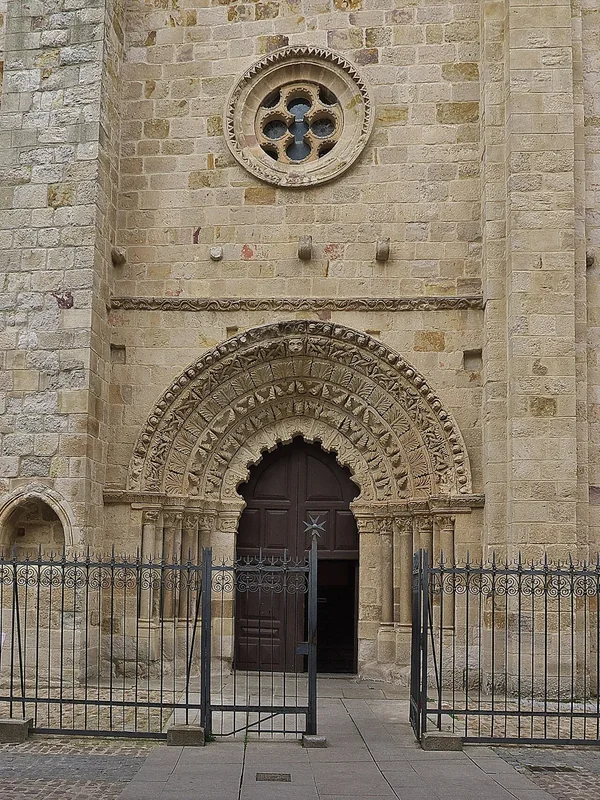
La Magdalena invites close observation of carving and proportion; the cathedral offers a mass dominated by its dome. With little time, choose your main exercise rather than turn Romanesque architecture into a church count. Compare both exteriors and select one confirmed interior. Forgoing another doorway leaves time to distinguish buildings instead of remembering a succession of names unrelated to what you actually observed there.
The museum’s main venue is Casa de los Gigantes, while Lobo’s work also relates to the castle surroundings and urban spaces. Choose between time with an indoor collection and outdoor works encountered on your walk. Garden sculptures do not amount to a museum visit. To move from churches to another art form, confirm museum opening and reduce another interior rather than add everything to the same block.
Puerta del Obispo connects the upper town with streets descending towards the river; Puente de Piedra offers the reverse view of the old town. Descend with a return plan, not simply because the water looks near. For cathedral and castle, retain the upper block and leave the river for another outing. A changed perspective deserves its own time without requiring the whole riverbank.
Walk west from Plaza Mayor through Viriato and La Magdalena. Compare their doorways before circling the cathedral via the Bishop’s Gate. Choose the cathedral interior or Baltasar Lobo rather than rushing through both, then rest in the castle gardens.
Keep this walk separate from museum visits. From Plaza Mayor descend to the Stone Bridge to see the old-town skyline from the river. Return towards La Magdalena and Viriato. The climb is part of the route; if tired, visit the bridge only and arrange transport back.
Allow a day for the town and castle. The lake is a separate extension requiring your own transport and a short walk rather than a lengthy last-minute hike.
By car; plan parking and your return before setting out.
A landscape day for viewpoint lovers. Choose one sector and a few stops: road distances mean the viewpoints cannot all be treated as one continuous walk.
By car; plan parking and your return before setting out.
Make an animal-and-figure spotting game between Plaza Mayor and La Magdalena, with just one church interior. Rest in the castle gardens. If adding the bridge, remove another block: the descent to the Duero and return are more tiring than the square circuit.
In the rain
Concentrate on the cathedral area: its interior and a separate Baltasar Lobo block let you compare sculpture with exterior forms. Eat nearby and save the bridge for dry weather. Castle gardens are not a rainy-day museum substitute.
What to try and where to pause
Stay around Plaza Mayor–Viriato to eat without interrupting the walk. Book a table for a longer meal or choose tapas for a short break. Ask about local products and portion sizes before ordering several dishes.
Sources for this update
Turismo de la Diputación de Zamora · Toro, Arribes del Duero
Turismo de la Diputación de Zamora · patrimonio de zamora
Turismo de la Diputación de Zamora · Puebla de Sanabria
Choose your walk
Durations are indicative: queues and all indoor visits are not included.
Plan my route
Street map
OpenStreetMap loads on request. Markers are indicative, not audited entrances. Use links for street directions.
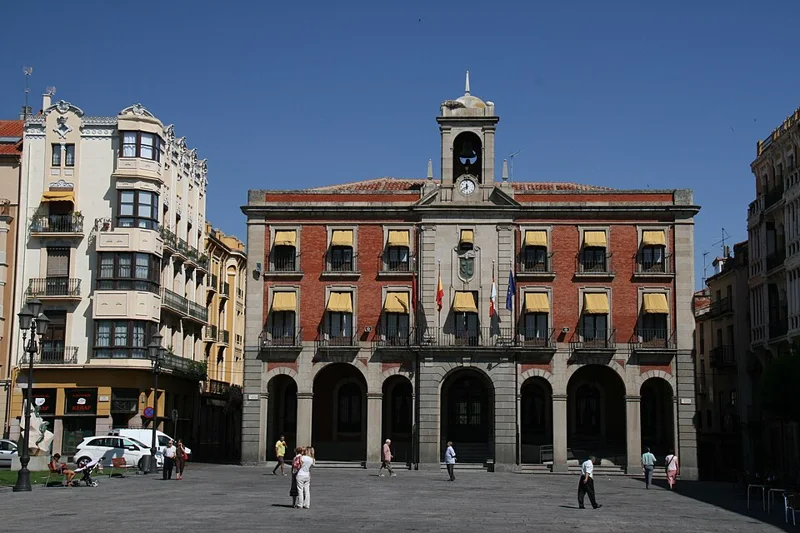
Start in the square to orient yourself before walking west. Everyday life meets the outline of San Juan de Puerta Nueva. View the façades without blocking terraces and find the way towards Viriato. This works well as a short stop; not every building needs an interior visit.
Viriato’s sculpture gives this palace-lined space its name. Look at the relationship between the figure and surrounding façades, then compare the scale with Plaza Mayor. The Parador occupies a historic building, but hotel facilities are not automatically part of a public sightseeing route; ask before entering internal areas.
The doorway rewards close observation: distinguish its arch from carved details. Look from across the street first, then approach without touching the stone. Interior access depends on opening hours; if closed, continue towards the cathedral quarter and retain the thread of your Romanesque walk.
This gateway helps explain the connection between the upper town and streets descending towards the river. Walk through the arch and compare nearby houses with the cathedral’s scale. Stone frames a particularly photogenic view; return to the cathedral quarter or save the descent for a later riverside outing.
The dome is the visual landmark of this quarter. Walk around public spaces to compare the building’s volumes before choosing a cultural visit. Check cathedral and museum admission arrangements and same-day hours. If tapestries are your priority, verify that the relevant display is included and accessible.
The castle quarter adds fortifications, open space and views to the old-town walk. Enjoy the gardens without assuming every tower or walkway is open. Check access and restrictions on the day. Uneven surfaces and level changes need attention, especially with children or reduced mobility.
The Baltasar Lobo Museum has its main venue in the Casa de los Gigantes, beside the cathedral and castle. A sculpture visit changes pace after churches and fortifications. Notice how curves and empty spaces transform a figure as you move around it, respecting display distances. The museum distinguishes this venue from works in the castle park, inside the fortress and in other urban spaces. Check access to each space before planning your day; outdoor sculptures do not replace the indoor visit.
Keep the bridge as an extension with time to return. The river reveals the old town’s elevated position and relationship with the Duero. Follow pedestrian access signs; riverside paths may be affected by river conditions. At sunset, allow time for the uphill return before darkness.
Bar and restaurant offering a menu and home-style cooking. Outside the compact monument circuit: confirm location, your intended service and allergens before travelling.
Restaurant and wine venue in the old town focused on seasonal produce. Check menus, reserve and communicate dietary needs. No sponsorship with this guide is confirmed.
Editorial selection based on the venues’ own websites, not a personal dining review or sponsorship. Check opening, menus, allergens and prices before visiting.
Optional activities separate from the independent route. Check dates, language, meeting point, accessibility and inclusions. Listings consulted advertise Spanish; translating this guide does not change the service language. Free tours are tips based, not cost-free visits. Affiliate links may earn us a commission if you book.
Head first to your accommodation or Plaza Mayor. The station transfer is not included in the two-hour monument walk. Decide in advance whether you will walk back uphill from the river.