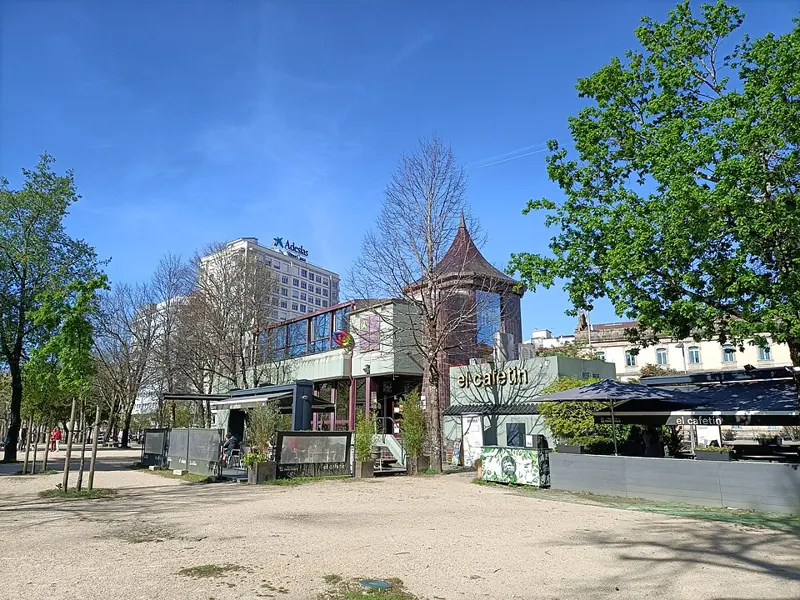
Pontevedra invites a walk through linked squares, carved stone and traces of the Portuguese Camino. The walk connects Peregrina, Santa María and the Lérez river, with an optional cultural break. Museum buildings have separate access and restoration arrangements: a monumental façade does not guarantee entry.
Pontevedra
Choose what fits your visit
Three decisions to organise the day without turning it into a checklist of tickets. Routes and time allowances are editorial suggestions; adjust the order to your bookings and pace.
01
Three squares and one visit, leaving space between
For a short first visit, use Peregrina, Ferrería and Leña as landmarks, choosing just one cultural interior. The squares reveal changes between shops, arcades and terraces; they are not merely corridors leading to another monument. If adding Santa María, spend time on its facade before deciding on admission. This proposal leaves room to sit down rather than turning every break into another booking.
Pontevedra Museum involves several buildings, and Santo Domingo’s ruins are not a gallery that is always available beside Leña. Check which building and collection you actually want before directing your walk. The ruins have their own seasonal arrangements. If admission does not fit, keep the exterior as a landmark and devote the session to a confirmed venue rather than chasing several entrances.
Ponte do Burgo leads towards the Lérez, while Alameda provides another ending outside the old town. Choose the river for bridge and water views, or Alameda for a finish beside landscaped urban space. You do not need both edges to discover the centre. Decide which way your accommodation or transport lies, avoiding an endpoint that makes you cross the entire centre again.
Start at La Peregrina, linking Ferrería and Leña slowly and noticing the changing arcades and façades. Continue to Santa María and finish at Ponte do Burgo. Enjoy the short streets between squares; give the museums a separate block rather than rushing their collections.
Begin at Pontevedra Museum, choosing a collection that interests you instead of visiting every building. Return through Ferrería towards Santo Domingo and finish in the Alameda. The ruins are outdoors: in rain, extend your museum visit and save them for a dry spell.
Walk among waterfront granaries, stone crosses and fishermen’s houses. Allow half a day rather than squeezing its narrow streets into a long village list.
By car; plan parking and your return before setting out.
Explore squares and stately stone architecture before discovering Albariño culture. Winery visits are optional and booked; arrange transport independent of anyone tasting wine.
By car; plan parking and your return before setting out.
Alternate small goals: find Leña’s stone cross, recognise La Peregrina’s shape and rest in the Alameda. Choose one museum collection if it suits the group. Watch crossings and avoid adding the full Lérez walk after an already long morning.
In the rain
Choose a Pontevedra Museum collection instead of attempting every building, then eat near the old town. Ferrería has some arcades for transitions, but Santo Domingo consists of open-air ruins: swapping park for ruins does not solve the rain.
What to try and where to pause
Use old-town squares for a relaxed meal. For fish or seafood ask about the day’s produce and price before ordering. Rías Baixas cooking does not require leaving town for every meal; treat Cambados or a winery as a separate experience.
Sources for this update
visit-pontevedra.com · patrimonio de pontevedra
Turismo de España · patrimonio de pontevedra
Turismo de Galicia · patrimonio de pontevedra
depo.gal · patrimonio de pontevedra
museo.depo.gal · patrimonio de pontevedra
Turismo de Galicia · Combarro
Turismo de Galicia · Poio
Turismo de Galicia · Cambados
Choose your walk
Durations are indicative: queues and all indoor visits are not included.
Plan my route
Street map
OpenStreetMap loads on request. Markers are indicative, not audited entrances. Use links for street directions.
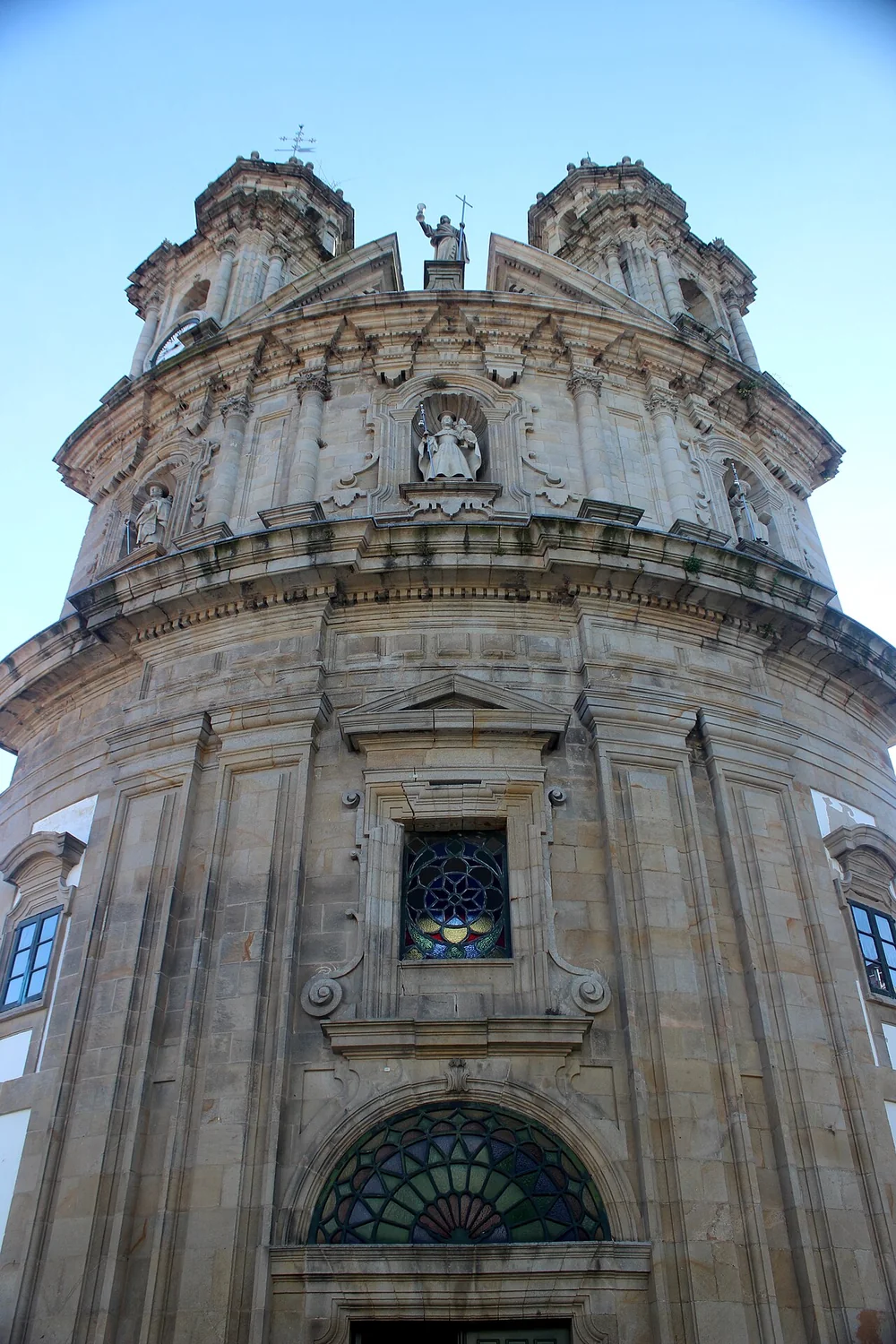
The Peregrina turns a Camino symbol into architecture: its curved body and extension outline a scallop shell. Construction began in 1778, where the Portuguese Camino approaches the old town. Before climbing the steps, study the façade from one side and then head on: the towers seem to change the building’s width. Baroque forms combined with Neoclassical elements place it in a period of artistic transition. Inside, look for the altarpiece by Melchor de Prado and compare its order with the movement outside. Continue towards Ferrería afterwards to connect sanctuary, squares and pilgrimage route rather than treating the church as an isolated photograph.
Ferrería’s name remembers the blacksmiths who worked beneath its arcades. Read it as more than a single rectangle: its spaces connect with Estrella, Ourense and the Casto Sampedro gardens. First follow the arcaded edge, then cross towards the garden; notice the changing relationship between façades, trees and the mass of San Francisco. Instead of searching for one monument, compare heights, balconies and window patterns. These connected spaces explain how squares structure a walk through Pontevedra. Pause to watch everyday activity, then continue along Soportales. The next part of the old town begins with scarcely a visible boundary, making the transition itself part of the visit.
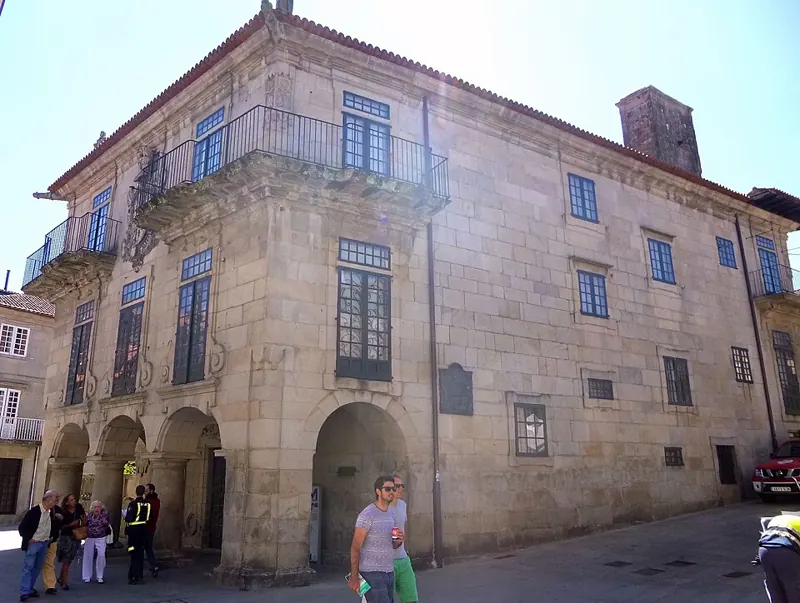
This small square takes its name from the firewood trade once held here. Today its stone cross provides a reference point among stone houses and buildings connected with the museum. Approach along a side street first: the space appears suddenly, at a very different scale from Ferrería. Then move around the cross without entering terrace areas, comparing tall façades with the openings beneath the arcades. Looking at individual buildings is only half the visit; consider the shared space between them too. Find a broad view before concentrating on a detail. You will remember an inhabited square rather than simply a stone postcard, before continuing towards the museum venues.
Santa María evokes a Pontevedra whose wealth depended on the sea: the seafarers’ guild backed its construction in the sixteenth century. Its western doorway is arranged like a stone altarpiece, with a bespectacled Saint Jerome among its figures. Begin at a distance to understand the composition, then approach to find this unusual character. It is a simple way to move from architecture to the human curiosity hidden in its details. Inside, compare the height of the three naves and the pattern of the vaults with the concentrated decoration outside. Afterwards, walk around the church to appreciate its elevated position and its relationship with the route towards the Lérez.
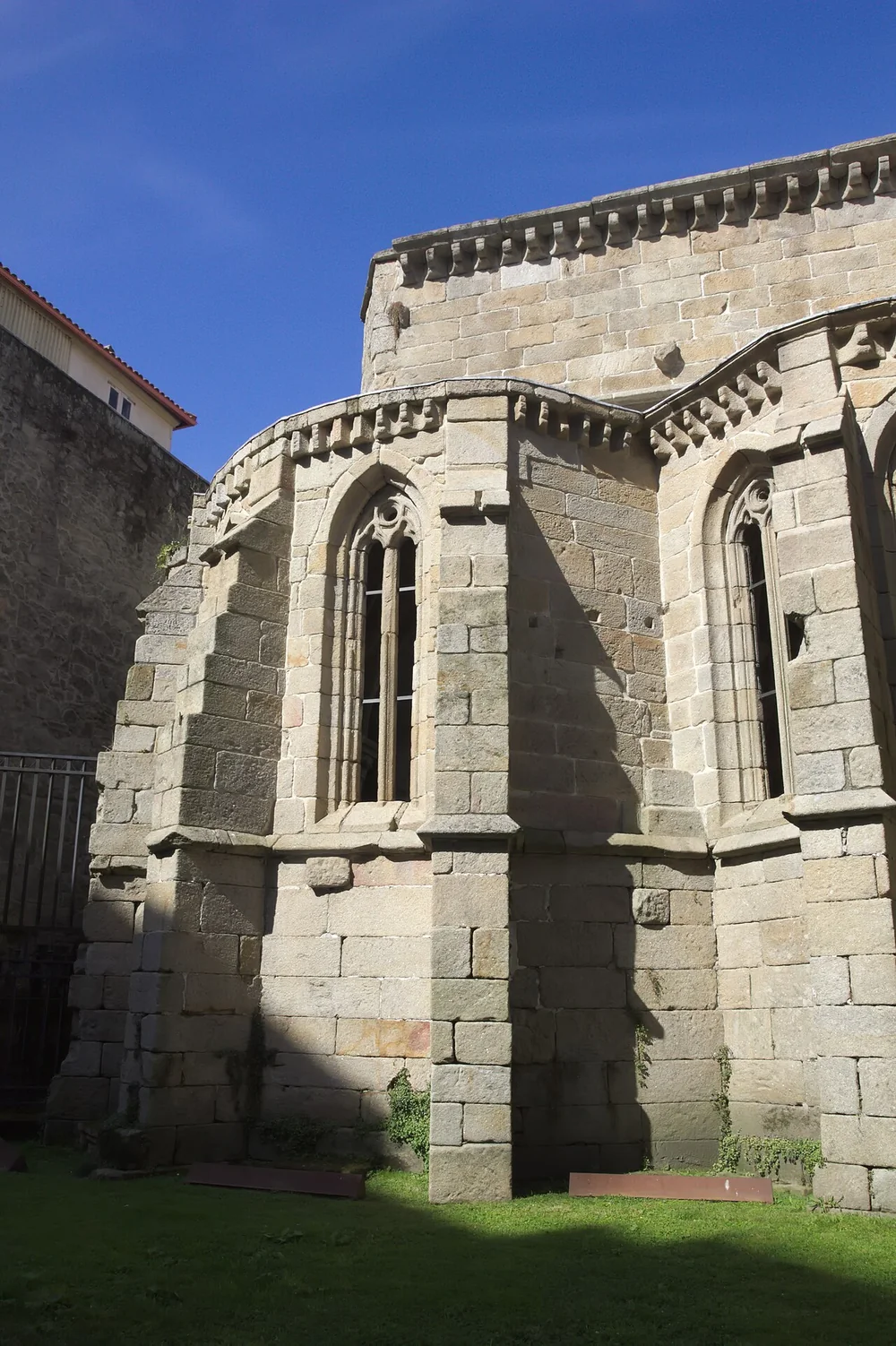
Here you can study a church without a roof concealing its structure. The Dominican convent was founded around 1282, but the surviving elements belong to later work begun in 1383. Its east end has five apses, an unusual arrangement in Galician Gothic architecture. Rather than trying to reconstruct the entire building at once, start by counting these endings and comparing their windows. Then follow the wall lines with your eyes to imagine where the interior once stopped. The missing roof also changes the light, allowing a different reading of the stone. The ruins belong to the Pontevedra Museum. Regular admission closes from 1 November to 14 March; arranged group visits depend on weather and museum availability. Check the calendar before going.
The photograph of the historic setting does not indicate one entrance serving the whole Pontevedra Museum. For the collections, head to the Castelao building at Padre Amoedo Carballo, 3, and check the route through Sarmiento. The official plan helps you choose archaeology, ceramics or Galician and Spanish art rather than wandering without direction. Pick a theme before entering: compare materials, follow changes in portraiture or ask how an object describes its period. Spend time with a few works, then return to the streets and connect them with the squares you have explored. Allow a separate visit slot: the outdoor setting and the collections offer complementary experiences.
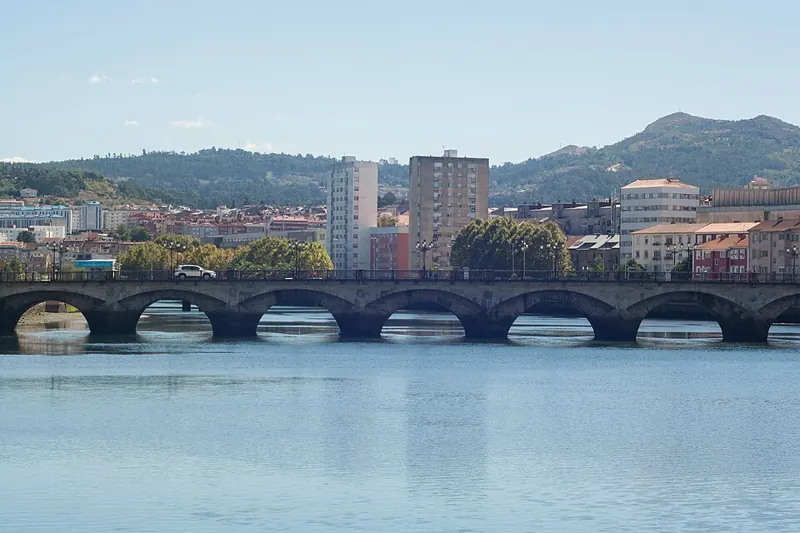
Pontevedra’s name refers to an old bridge, but the structure before you is medieval and has undergone repeated alterations. Its origins lie in the twelfth century; carved shells recall the passage of the Camino de Santiago. Cross once looking towards the city and once towards the river: the same structure changes from an urban gateway into a viewpoint over the Lérez. From the bank you can compare the arches and appreciate their repetition more clearly than from the deck. A long history of crossings does not mean an intact Roman bridge survives. The interest lies in recognising the layers of infrastructure still connecting both banks in everyday life.
The Alameda reveals Pontevedra’s expansion beyond its walled town. The former Dominican kitchen garden became a public promenade, within a nineteenth-century urban transformation associated with architect Alejandro Sesmero. Do not use it merely as a shortcut: first follow the perspective between the trees, then seek the tile panels designed by Carlos Sobrino showing scenes of local life. Comparing these images with the city you have just walked through gives the pause another purpose. This open space contrasts with the old town’s succession of smaller squares. End the route here if you wish, observing the changing distances between buildings, gardens and places to sit.
Produce-led dining on Praza da Leña. Allow a dedicated meal slot, check the current format and disclose allergies before confirming. A square with terraces does not mean menus or service are identical across every space.
Galician restaurant outside the compact historic-square circuit. Galicia Tourism identifies its website and contact; confirm opening, menu, availability and location directly before travelling. No reservation or commercial arrangement with this restaurant is implied.
Editorial selection based on the venues’ own websites, not a personal dining review or sponsorship. Check opening, menus, allergens and prices before visiting.
Options separate from the independent walk. The free tour is tips based. Reviewed listings advertise Spanish-speaking guides: this website’s language does not change the activity language. The tasting option requires checks on minimum age, included drinks and alternatives; it is not a children’s equivalent to the walk. Confirm meeting point, accessibility, date and conditions. Affiliate links may earn us commission when you book. Reviewed 19 October 2026.
Use La Peregrina as the central reference, allowing a separate rail or coach transfer. Combarro, Poio and Cambados need transport outside the old-town walk. Park once rather than driving to every square.